

A noticeable power shift is unfolding in the digital asset custody market: global banks are no longer trying to sit on the sidelines.
Key Takeaways:
21Shares choosing Standard Chartered signals traditional banks are now replacing crypto-native firms in custody roles.
The move suggests global banks want direct control of digital-asset infrastructure rather than using subsidiaries.
The trend reflects growing institutional demand for bank-grade custody instead of purely crypto-native services.
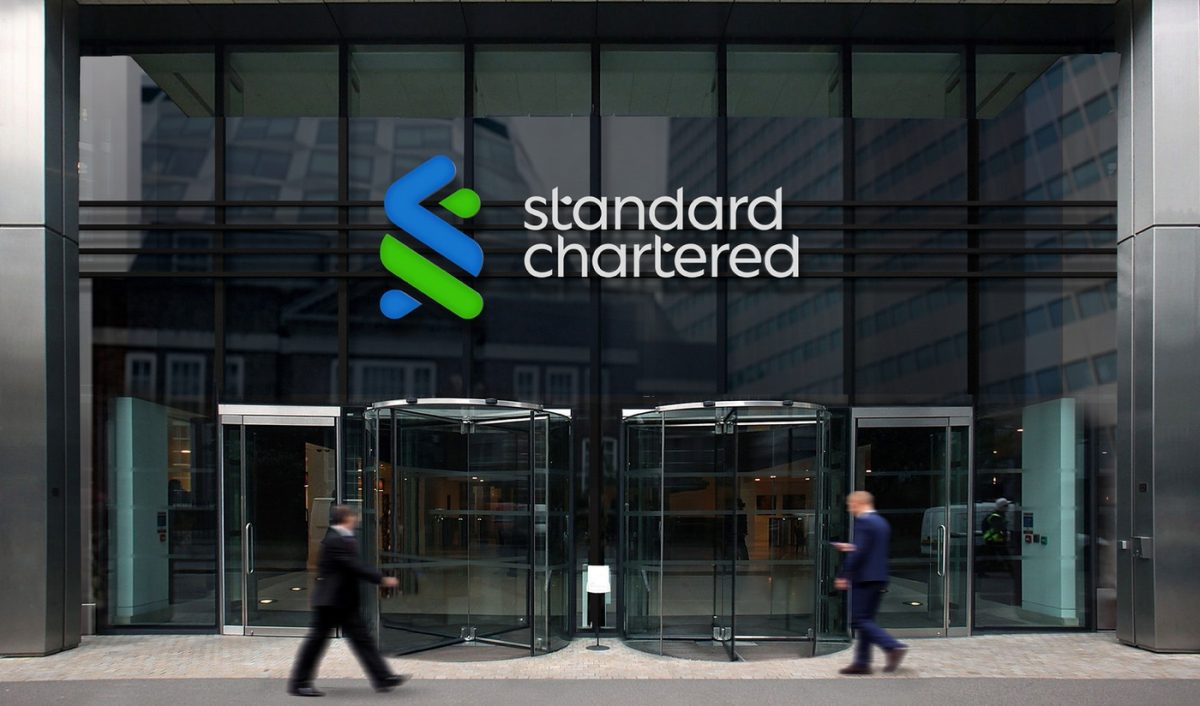
The latest signal came when 21Shares chose Standard Chartered to safeguard its digital assets, a mandate that pushes one of the world’s largest banking groups deeper into the crypto infrastructure business.
The significance of the deal lies not only in the services provided, but in which type of institution is providing them. Crypto-native custodians once dominated digital asset protection, while large banks either avoided the sector or relied on subsidiaries to maintain distance. Now, the direction has reversed — banks are stepping in directly, and crypto-native providers are seeing their monopoly erode.
A pivot away from indirect involvement
Standard Chartered quietly took a different stance this year. Instead of continuing to use subsidiaries to handle digital assets, the bank is now taking custody relationships into its own brand, beginning with 21Shares. The decision represents a major departure from 2020, when Standard Chartered co-founded Zodia Custody specifically to keep crypto activity structurally separate from its core banking operations.
With 21Shares previously storing assets with Zodia, the bank’s entry into custody raises unanswered questions about whether Zodia will continue operating in parallel or be replaced over time. None of the companies involved have clarified the long-term structure, fueling speculation that large banks may gradually absorb market share from the specialist firms they helped create.
Demand from institutions is changing the rules
For 21Shares, the motivation is not ideological — it is commercial. The company wants custody partners that conventional institutions view as familiar and dependable. Its product development lead, Mandy Chiu, said 21Shares is prioritizing infrastructure that mirrors the standards of traditional securities markets, including long-established risk controls, regulated custody and global banking compliance.
Standard Chartered’s recently launched digital asset custody business in Luxembourg and the earlier rollout of its institutional crypto trading desk both fit that pitch.
A wider race among major banks
Similar moves are emerging across the sector.
• US Bancorp restarted its crypto custody services after pausing during regulatory uncertainty.
• Citigroup is evaluating support for crypto custody and payments.
• Deutsche Bank is in the process of opening crypto storage to its investment-banking clients.
The pattern is consistent: once-cautious financial giants are now building infrastructure that places them inside the digital asset economy rather than just adjacent to it.
A cultural collision inside the industry
The trend has sparked debate among long-time crypto participants. Critics argue that a market built on decentralization is steadily consolidating under the same financial institutions it once sought to bypass. Supporters counter that regulated banks will accelerate mainstream adoption and eliminate counterparty risk that historically discouraged conservative investors.
The disagreement intensified when BlackRock confirmed more than $3 billion worth of Bitcoin had already been converted into ETF form, with clients increasingly choosing to hold exposure inside their normal banking and wealth-management channels rather than in self-custody.
The bigger picture
The Standard Chartered–21Shares partnership is not simply another custody contract. It reflects a turning point in the digital asset industry — one where traditional finance is no longer watching crypto infrastructure grow but actively taking control of it. Whether crypto-native custodians remain central or become overshadowed will hinge on how many institutions follow the same path in the coming year.


