

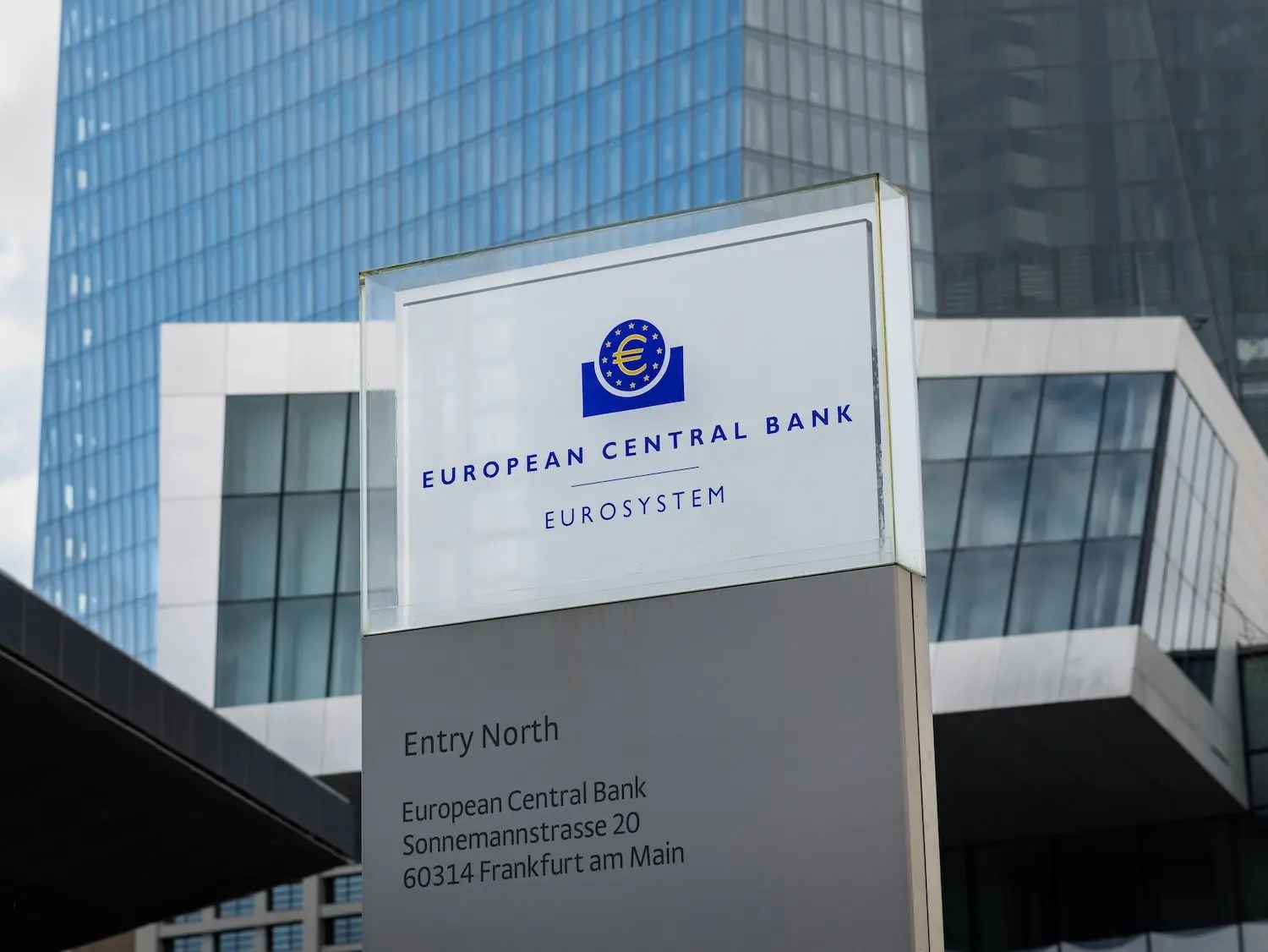
The European Central Bank has selected Portuguese artificial intelligence startup Feedzai to develop fraud prevention systems for its planned digital euro, marking a significant step in the central bank's effort to reduce the euro zone's dependence on U.S.-dominated payment systems.
What to Know:
- The ECB awarded Feedzai a contract worth up to $278.69 million (237.3 million euros) to create an AI-based fraud scoring system for digital euro transactions
- The four-year agreement is one of five contracts totaling between 27.6 million and 220.7 million euros announced Thursday to advance the digital currency project
- The central bank awaits legislative approval expected by mid-2026, with a planned 2029 launch to counter Visa and Mastercard's market dominance and dollar-pegged stablecoins
Contract Details and Implementation Strategy
Feedzai, working alongside subcontractor PwC, will build an artificial intelligence model that assigns fraud risk scores to digital euro payments. The system analyzes deviations from typical customer behavior patterns, transaction histories and user interactions to flag potentially fraudulent activity.
Payment service providers would use these risk assessments to determine whether to authorize transactions conducted through digital wallets backed by the ECB. The base contract value stands at 79.1 million euros over four years, with provisions allowing expansion up to 237.3 million euros depending on project needs.
The ECB announced four additional contracts Thursday, ranging from 27.6 million euros to 220.7 million euros. French information technology consulting firm Capgemini received one of these awards. ECB board member Piero Cipollone said last month the bank will not spend "a penny until the project actually starts" under these framework agreements.
Understanding Digital Currency and Fraud Prevention
A digital euro would function as a central bank-backed electronic currency, distinct from cryptocurrencies like Bitcoin or commercial stablecoins. Unlike traditional bank deposits, digital euro balances would represent direct claims on the ECB itself, similar to physical cash but in electronic form.
The fraud detection system Feedzai will develop uses machine learning algorithms to establish baseline patterns for individual users. When transactions deviate significantly from these patterns, the system flags them for additional scrutiny.
This approach differs from traditional rule-based fraud detection, which relies on predetermined thresholds and criteria that sophisticated fraudsters often circumvent.
Payment service providers would integrate this AI scoring into their authorization processes, weighing fraud risk against customer convenience. The system aims to balance security with user experience in a payment network the ECB hopes will compete with established card networks.
Political and Economic Context
The digital euro project reflects broader European concerns about financial infrastructure dependence on American companies and payment systems. President Donald Trump's support for dollar-pegged stablecoins has intensified these worries in Brussels and Frankfurt. Visa and Mastercard process the majority of card payments across Europe, giving U.S. corporations significant control over European financial data and transaction flows.
Legislative approval remains the critical hurdle. The ECB anticipates receiving authorization around the middle of 2026, though political divisions within the European Union could delay this timeline. If approved on schedule, the bank targets a 2029 launch date for the digital currency.
Feedzai, registered in Coimbra, Portugal, claims to process $8 trillion in annual payment volume for clients including Portuguese lender Novobanco and Abu Dhabi-based Wio Bank.
Closing Thoughts
The ECB's contract awards Thursday represent concrete progress toward a digital euro, though the project still faces regulatory hurdles before implementation. The central bank's focus on fraud prevention through AI demonstrates its attempt to build trust in a currency system that would fundamentally change how Europeans conduct digital transactions.


