

Key Takeaways
Lombard Finance is a liquid restaking protocol that enables users to earn yield from the Babylon Chain while retaining control over their funds.
Lombard is backed by pioneers in Bitcoin adoption and DeFi supporters interested in Bitcoin-native liquidity and restaking.
Investors participate in Lombard’s activities using LBTC as a bridge that unlocks protocol discounts and other priorities.
Do you have a good crypto portfolio and looking for a chance to cash out without selling your digital assets? Then your answer lies with Lombard Finance. But what is Lombardfi? This article explores Lombard Finance (BARD) and brings you all the answers.
What is Lombard Finance (BARD)?
Lombard Finance is a cryptocurrency platform aiming to increase Bitcoin’s utility by integrating BTC with decentralized finance (DeFi). Lombard intends to transform Bitcoin into a dynamic financial tool, one that goes beyond being a dormant store of value with stagnant market capitalization. The protocol seeks to achieve this using LBTC, the liquid Bitcoin token that is used in staking activities.
With the yield-bearing LBTC, Bitcoin holders can stake their crypto assets and still maintain their liquidity. The same is made possible through a partnership between Lombard and the Babylon ecosystem, which offers a non-custodial staking protocol. Users can stake their Bitcoin via Lombard to receive an equivalent amount of LBTC, which they can then trade and use on DeFi platforms. Bitcoin holders can participate in DeFi activities like lending and loans, and still earn staking rewards from their original Bitcoin.
Pros
Enable Bitcoin holders to earn passive income in the form of staking rewards.
LBTC unlocks Bitcoin’s DeFi potential, allowing LBTC users to leverage their staked Bitcoin.
The protocol expands Bitcoin’s utility and use cases beyond a store of value and payment tool.
Cons
The new technology could be challenging for users who aren’t tech-savvy or new to the crypto space.
There’s the risk of smart contract vulnerabilities similar to other DeFi applications.
Rewards can fluctuate based on volatile crypto market conditions.
How Does Lombard Work?
While DeFi activities are associated with Ethereum, Bitcoin’s utility lagged due to the lack of composability and staking mechanisms. Now, Lombard enables holders to stake their Bitcoin by restaking within the Babylon protocol, utilizing a new Bitcoin-secured Proof-of-Stake (PoS) system. Babylon enables BTC to secure L2 rollups and still generate a native staking yield.
Upon staking their Bitcoin, users receive LBTC, a yield-bearing liquid asset that is backed 1:1 by their Bitcoin deposit. LBTC is a cross-chain token that can be utilized across all DeFi platforms and activities, including trading, borrowing, lending, and yield farming. A multi-party group of independent validators oversees the staking, minting, burning, and security checks. The Non-Custodial Security Consortium ensures decentralization, minimizes trust, and eliminates a single point of failure.
How does Lombard work with Babylon?
Lombard operates by issuing LBTC, a yield-bearing liquid staked token representing the Bitcoin deposited into the Babylon staking platform. The LBTC holder can earn a yield on their Bitcoin holdings while maintaining liquidity, enabling them to participate in DeFi activities.
How it Works
A Bitcoin holder deposits their BTC into Babylon via the Lombard protocol.
Lombard issues the yield-bearing LBTC, a liquid staked token in the place of staked Bitcoin.
Investors can use LBTC to earn staking rewards from Babylon on their BTC holdings.
The liquid LBTC can act as collateral on DeFi protocols for activities like DeFi loans, etc.
LBTC maintains a 1:1 value with BTC, which ensures its core value remains stable.
What is the BARD token?
Lombard (BARD) is the utility and governance token of the Lombard Finance Bitcoin DeFi protocol. The Ethereum-based token is designed to embody the following values and utility:
Liquidity: Unlocks Bitcoin’s potential via LBTC
Security: Secures the LBTC Bridge and platform’s integrity via BARD staking.
Community: Enables holders to participate in the protocol’s governance
In addition to Bitcoin’s ethos of decentralization, BARD also introduces BTC to the DeFi industry, aiming to create a sustainable, trustworthy, and collaborative ecosystem. BARD also secures staking, unlocks liquid Bitcoin yield, and bridges operations, positioning itself as the core of next-gen Bitcoin-native DeFi.
BARD tokenomics
Token Name: Lombard Token (BARD)
Total Supply: 1,000,000,000 BARD
Max Supply: 1,000,000,000 BARD
Circulating Supply: 225,000,000 BARD (22.50% of max supply)
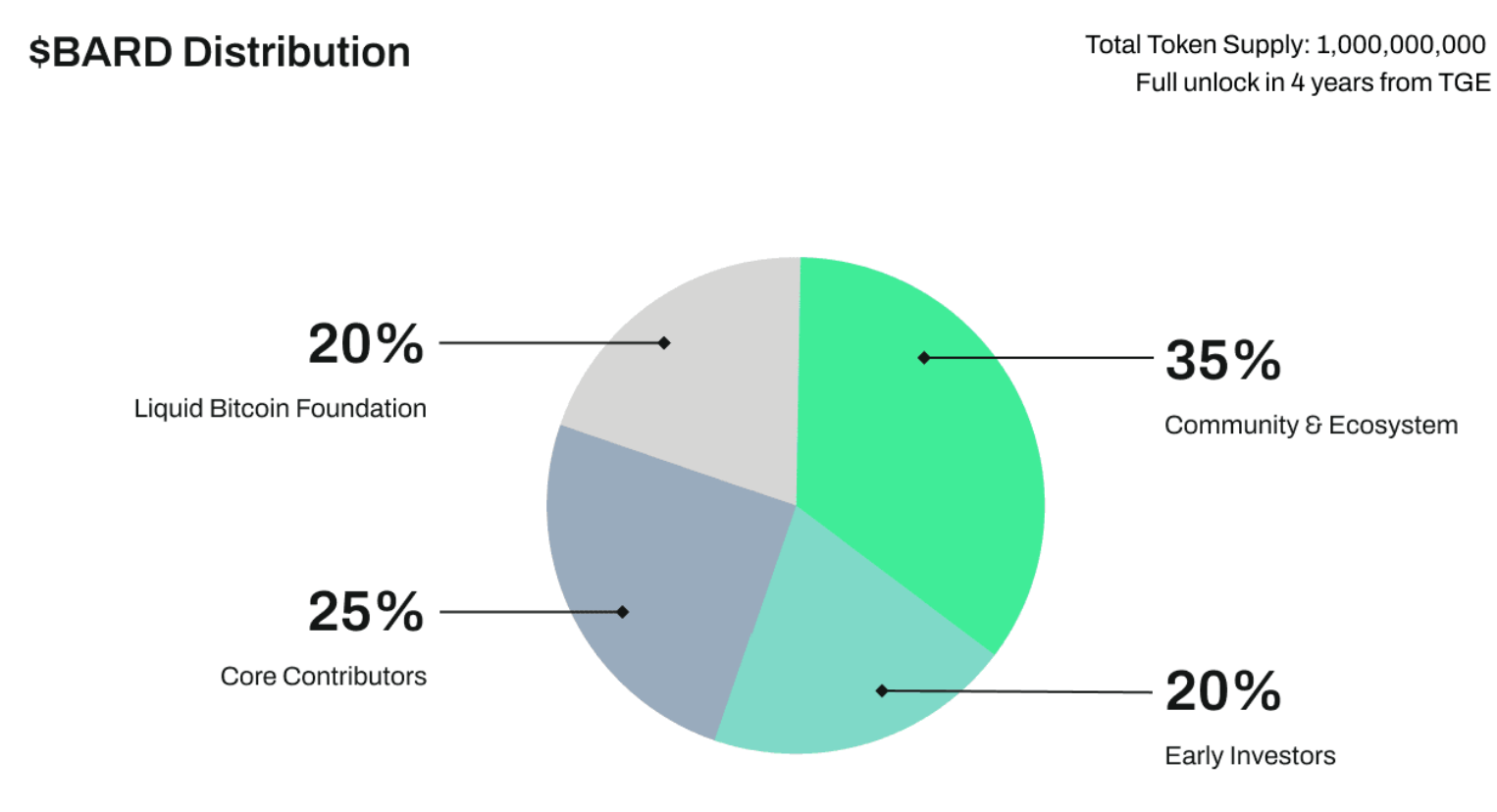
Token Distribution
Liquid Bitcoin Foundation: 20%
Community and Ecosystem: 35%
Core Contributors: 25%
Early Investors: 20%
Lombard Technology: Core Products
1. Liquid Staked Bitcoin (LBTC)
LBTC is the primary product of Lombard Finance that users receive when they deposit their BTC. LBTC earns users a yield from staking through the Babylon protocol, while remaining liquid, meaning holders can use it across various DeFi platforms.
2. DeFi Marketplace
This is a dedicated marketplace for a wide range of decentralized finance (DeFi) services. This will encompass a range of activities, from lending to trading, where participants can utilize LBTC to earn additional yields and generate utility.
3. Bitcoin Staking
Bitcoin staking at Lombard refers to a protocol by the platform that converts Bitcoin into a liquid staked token, LBTC. LBTC utilizes the Babylon network to facilitate Proof-of-Stake (PoS) security, enabling users to earn staking rewards.
4. Lombard SDK
The software development kit allows users to integrate Bitcoin deposits and yield into different chains, protocols, wallets, or exchanges.
5. DeFi Vaults
Lombard’s DeFi Vault refers to an automated yield management system that helps to maximize ROI in Bitcoin within the DeFi ecosystem. Users can deposit tokenized Bitcoin like LBTC or WBTC to gain access to different DeFi strategies without manually managing positions. The DeFi vaults simplify the process by removing technical complexities associated with related investments.
6. Cross-Chain Bitcoin (Coming soon)
Lombard is pioneering a system that would secure cross-chain Bitcoin transfers. This innovative creation will ensure that users’ LBTC tokens are safeguarded during transitions between different blockchains.
7. Lombard Ledger (Coming soon)
Lombard Ledger is a Byzantine Fault-Tolerant (BFT) blockchain that will record all activities and provide transparency and verifiable records.
8. Structured & Tokenized Products (Coming soon)
Lombard Finance also plans to introduce a wide array of structured and tokenized products. According to the company’s roadmap, this will include option vaults, basis trade vaults, staking ETPs and ETFs, and treasury management tools. Additionally, their yield marketplace will consist of options, arbitrage strategies, and solutions for corporate treasuries.
What is the Protocol Architecture of Lombard Crypto?
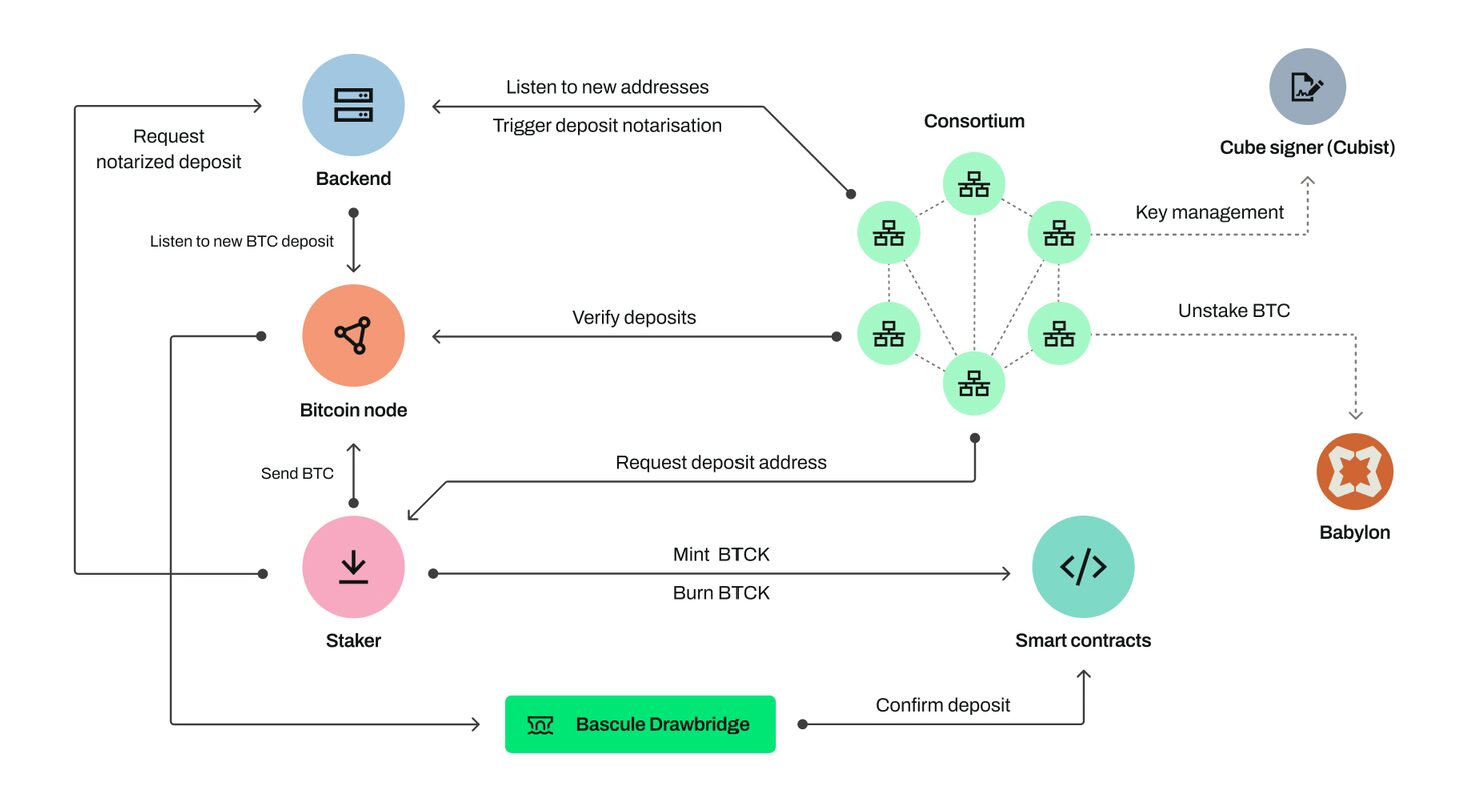
Lombard Crypto’s protocol architecture gravitates around integrating Bitcoin with the DeFi ecosystem. The platform uses a multi-layered operational and security structure with the following core components:
LBTC (Liquid Staked Bitcoin): A liquid staking token pegged 1:1 to Bitcoin, enabling users to earn yield, participate in DeFi applications, and maintain liquidity.
Babylon Protocol: Lombard’s Bitcoin staking program is facilitated through Babylon to secure Proof-of-Stake (PoS) blockchains, enabling users to earn staking yields
Security Consortium: A group of 14 crypto-based institutions that validate and notarize transactions like staking, unstaking, burning, minting, and bridging.
What is Lombard Lux & how does it work?
Lombard Lux is a reward system operated by the Lombard crypto project that’s designed to encourage users to use and promote LBTC. The program incentivizes users to stake BTC or hold LBTC as a way of contributing to the platform’s growth.
Users can accumulate Lux tokens by staking BTC or receiving LBTC, in addition to participating in other ecosystem projects. The rewards are distributed on an hourly basis, and users earn more by holding their LBTC for an extended period. Moreover, there are select activities within the Lombard ecosystem that act as Lux token multipliers.
Lombard Lux serves as a metric to track a user’s engagement and activity within the platform, but it has no monetary value. While it cannot be traded or transferred, it acts as the digital representation of one’s participation in the LBTC ecosystem.
The Future of Lombard
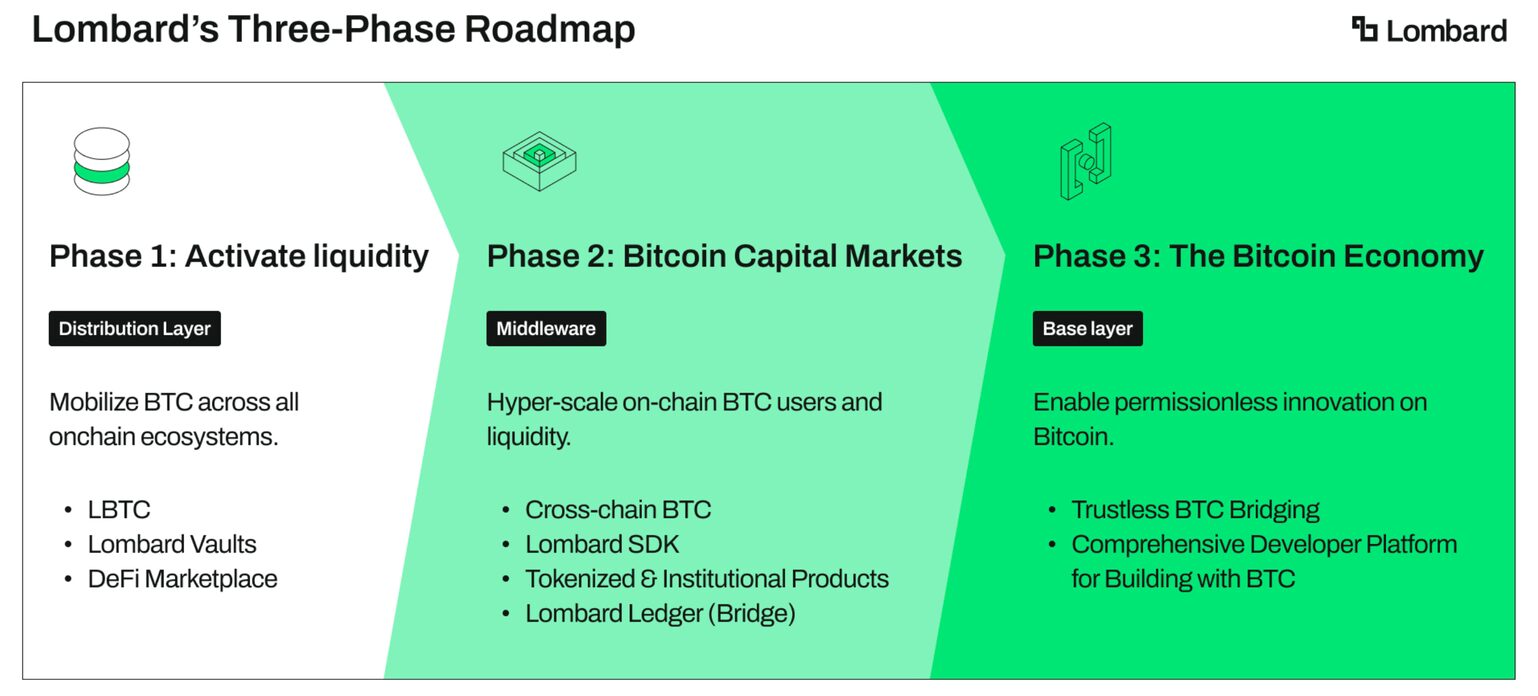
Lombard Finance has taken a bold step that has brought Bitcoin into the world of DeFi and rewritten the rules of BTC staking. By utilizing a robust multi-party-secured infrastructure and integrating LBTC via Babylon, it now enables BTC holders to earn yield through DeFi composability and uncompromising security.
Through LBTC, powered by the BARD token, Lombard has successfully transformed Bitcoin from a passive asset into a financial instrument. Lombard is now poised to propel the world’s flagship cryptocurrency into a productive, secure asset with additional benefits.


