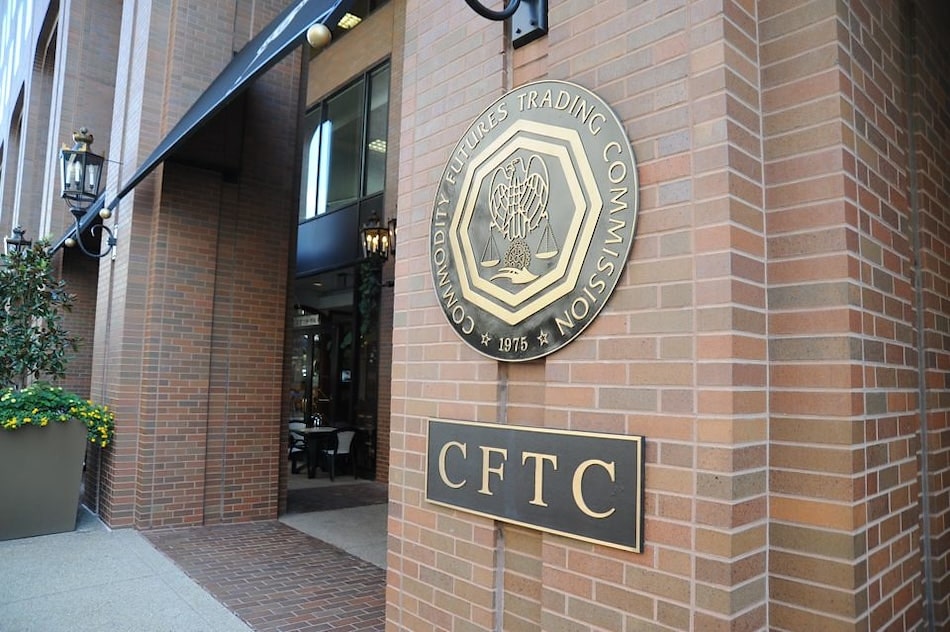
CFTC Approves Bitcoin as Collateral in Derivatives Pilot

Markets 2025-12-09 06:30

CFTC Approves Bitcoin as Collateral in Derivatives Pilot

The U.S. Commodity Futures Trading Commission (CFTC) has initiated a groundbreaking pilot program that allows approved futures commission merchants to use bitcoin as collateral in U.S. derivatives markets.

The move marks a significant regulatory shift, providing clearer rules and oversight for tokenized collateral in the financial sector.

Pilot program details

Announced by Acting Chair Caroline Pham, the program permits select firms to accept bitcoin and certain stablecoins as margin collateral for futures and swaps.

Participation is limited to registered futures commission merchants (FCMs) that must adhere to stringent custody, disclosure, and risk management protocols.

For the first three months, these firms are required to provide weekly reports on digital asset holdings and notify the CFTC of any operational issues.

Pham stated in her announcement:

“Today, I am launching a U.S. digital assets pilot program for tokenized collateral, including bitcoin and ether, in our derivatives markets that establishes clear guardrails to protect customer assets and provides enhanced CFTC monitoring and reporting.”

Updated guidance following the GENIUS Act

The agency has also updated its guidance on tokenized assets, withdrawing previous restrictions that had limited the use of digital assets as collateral.

This regulatory update follows the passage of the GENIUS Act, which modernized federal rules related to digital asset custody and use.

Industry leaders welcomed the change. Coinbase Chief Legal Officer Paul Grewal described it as a “major unlock,” aligning with the intent of recent legislative reforms.

Oversight and technology neutrality

The CFTC emphasized that, while its rules are designed to be technology-neutral, all real-world tokenized assets—such as Treasuries—must still meet strict enforceability and custody standards.

The agency issued a no-action letter granting limited permission for FCMs to hold certain digital assets in segregated customer accounts, provided they manage associated risks appropriately.

Share to:

This content is for informational purposes only and does not constitute investment advice.

Curated Series

SuperEx Popular Science Articles Column

SuperEx Popular Science Articles Column

This collection features informative articles about SuperEx, aiming to simplify complex cryptocurrency concepts for a wider audience. It covers the basics of trading, blockchain technology, and the features of the SuperEx platform. Through easy-to-understand content, it helps users navigate the world of digital assets with confidence and clarity.

Unstaked related news and market dynamics research

Unstaked related news and market dynamics research

Unstaked (UNSD) is a blockchain platform integrating AI agents for automated community engagement and social media interactions. Its native token supports governance, staking, and ecosystem features. This special feature explores Unstaked’s market updates, token dynamics, and platform development.

XRP News and Research

XRP News and Research

This series focuses on XRP, covering the latest news, market dynamics, and in-depth research. Featured analysis includes price trends, regulatory developments, and ecosystem growth, providing a clear overview of XRP's position and potential in the cryptocurrency market.

How do beginners trade options?How does option trading work?

How do beginners trade options?How does option trading work?

This special feature introduces the fundamentals of options trading for beginners, explaining how options work, their main types, and the mechanics behind trading them. It also explores key strategies, potential risks, and practical tips, helping readers build a clear foundation to approach the options market with confidence.

What are the risks of investing in cryptocurrency?

What are the risks of investing in cryptocurrency?

This special feature covers the risks of investing in cryptocurrency, explaining common challenges such as market volatility, security vulnerabilities, regulatory uncertainties, and potential scams. It also provides analysis of risk management strategies and mitigation techniques, helping readers gain a clear understanding of how to navigate the crypto market safely.