

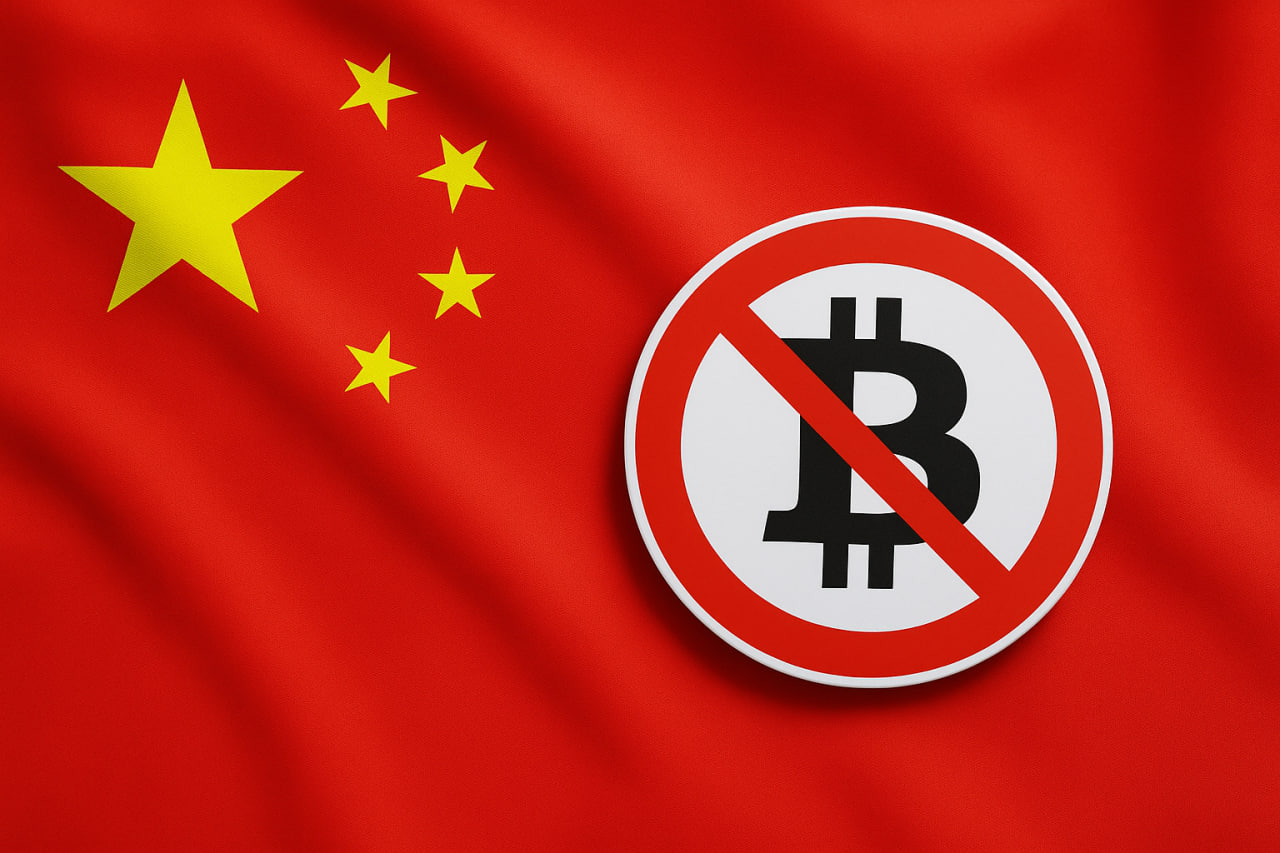
China has moved to recalibrate how it polices digital assets, unveiling a coordinated enforcement model that pulls together the country’s most influential financial and legal agencies.
The new approach does not alter the mainland’s long-standing prohibition on cryptocurrency activity, but it dramatically changes how that prohibition will be applied going forward.
Key Takeaways
China is not changing its crypto ban, but shifting to a stricter, coordinated enforcement system.
Multiple ministries will now jointly target offshore marketing, stablecoin promotions, and indirect access channels.
Social platforms in China are increasing removals of crypto-related content.
The plan emerged during a closed-door meeting led by the People’s Bank of China and joined by a wide mix of ministries and regulatory bodies. Rather than debating new restrictions, the officials focused on systematizing how existing rules are interpreted across different government arms — a sign that Beijing wants to remove loopholes, inconsistencies, and fragmented oversight.
Why Beijing Felt Compelled to Act Now
What set this gathering apart from earlier regulatory reminders is the context in which it occurred. Overseas crypto markets have been heating up again, fueled partly by a more permissive stance from the United States after Donald Trump’s return to the presidency. New stablecoin issuers, offshore derivatives platforms, and token sale campaigns have begun drawing fresh attention from users in mainland China despite the ban.
This growing cross-border activity has worried regulators. Many foreign platforms, advertisers, and affiliates have revived tactics that previously allowed them to reach Chinese audiences indirectly — influencer tie-ins, mirrored content on domestic apps, and informal USDT conversion channels. Officials signaled that these workarounds will now be met with far more targeted pressure.
Not a New Ban — But a New Enforcement Playbook
Despite speculation that China might tighten or update its crypto rules, regulators reiterated that the original prohibition remains unchanged. Crypto trading, stablecoin usage, and related financial services continue to fall under illegal financial activity within mainland borders.
What has changed is the mechanism behind the enforcement. Agencies including the Central Office of Financial Affairs, the Ministry of Justice, and the National Financial Regulatory Administration will now coordinate investigations and unit-level actions instead of addressing violations in isolation. Authorities emphasized that the goal is to standardize how the ban is interpreted nationwide, not to stretch its scope.
The consequences of this shift are already visible. Chinese social platforms such as WeChat and Xiaohongshu have recently begun scrubbing crypto promotional content on a scale not seen in years, reflecting both political pressure and risk-management concerns.
Hong Kong’s Role Becomes Sharper — and More Sensitive
Perhaps the clearest regulatory boundary highlighted in the meeting involves the relationship between Hong Kong’s licensed digital-asset sector and mainland China’s restrictions. As Hong Kong continues operating an open, regulatory-driven crypto framework, Beijing is drawing a firmer line about who can interact with mainland users.
Licensed Hong Kong companies will be expected to demonstrate stricter marketing discipline, while unlicensed foreign firms presenting themselves as “Hong Kong-based” will be treated as deliberately violating mainland rules. At the same time, Beijing appears comfortable with Hong Kong maintaining its separate, more permissive ecosystem — as long as it remains contained.
What Comes Next for Crypto Activity Around China
China’s underlying position toward digital assets has not shifted: the mainland remains off-limits for trading, stablecoins, and exchanges. But everything around the ban — messaging, enforcement, agency coordination, and monitoring of cross-border marketing — is entering a far more assertive phase.
For offshore exchanges, affiliate marketers, influencers, and token issuers who still try to reach mainland audiences, the risks are about to rise sharply. Stablecoin promotions and USDT off-ramp channels will be examined more closely, and any mainland-targeted content is likely to face immediate takedowns or regulatory follow-ups.
In short, while the law hasn’t changed, China’s execution of that law is about to become more disciplined, more synchronized, and much harder to evade.


