

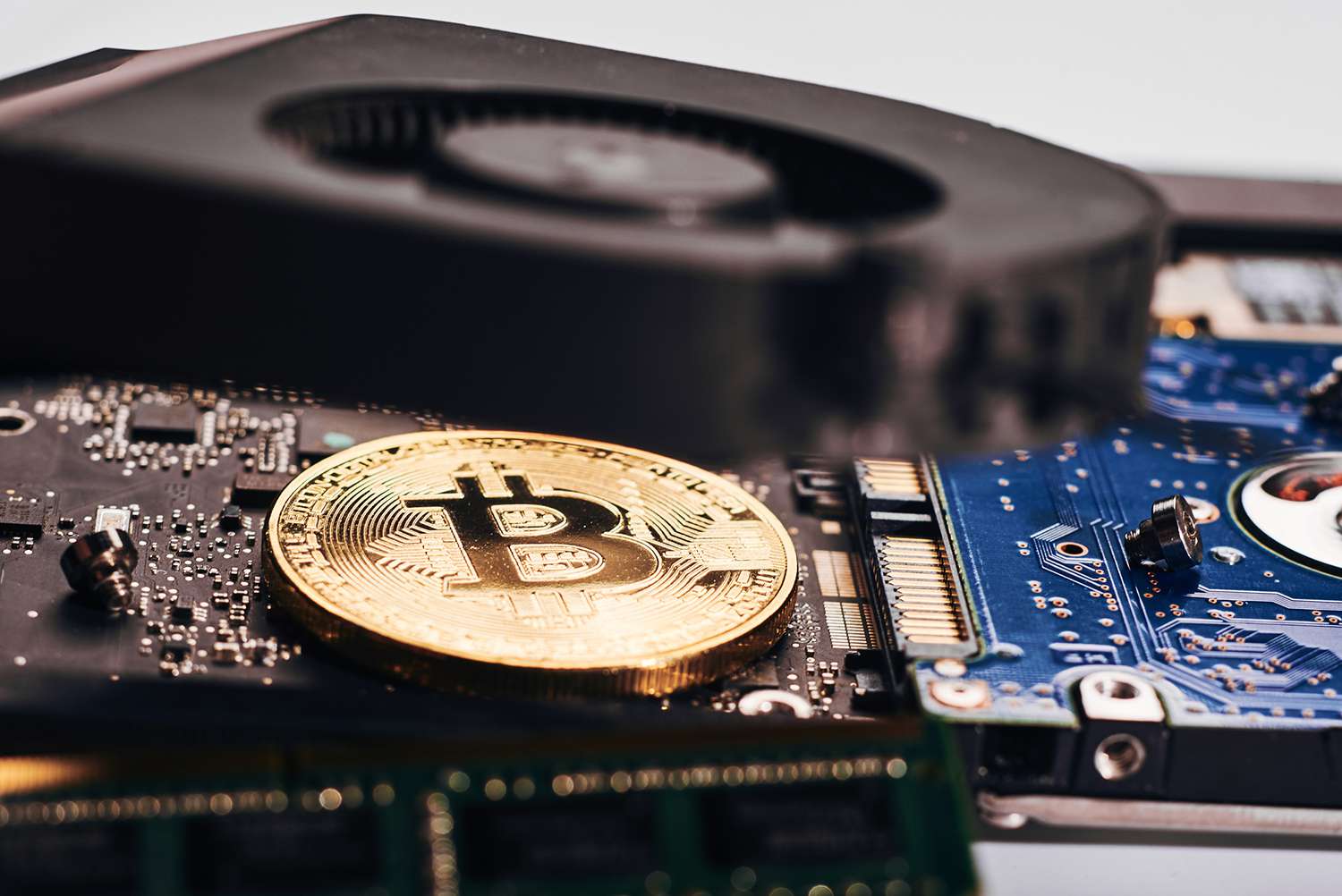
Bitcoin implemented one of the most important upgrades on its network since its inception in November 2021. Termed Taproot, the upgrade streamlined transaction processing and made them more efficient in speed and cost. The previous change to the cryptocurrency's network ended in a "civil war" of sorts and resulted in the creation of Bitcoin Cash, a new cryptocurrency. However, the Taproot upgrade was not a contentious one.
Here is a brief primer on Bitcoin's Taproot upgrade.
KEY TAKEAWAYS
Taproot, a Bitcoin upgrade implemented in 2021, was one of its most significant.
The Taproot upgrade batched multiple signatures and transactions together, making it easier and faster to verify transactions on the network.
It also scrambled transactions with single and multiple signatures together and made it more difficult to identify transaction inputs on Bitcoin's blockchain.
Taproot was also intended to help scale the number of transactions occurring on Bitcoin's network.
What Did the Taproot Upgrade Do?
Put simply, the Taproot upgrade batched multiple signatures and transactions together. Digital signatures are required on Bitcoin's network to verify transactions. They are generated using private keys and are validated against public keys.
Before Taproot's implementation, verification of transactions on Bitcoin's network was thought to be slow because each digital signature was validated against a public key. This method multiplied the amount of time required for complex multi-sig transactions that require multiple inputs and signatures.
The Taproot implementation enabled signature aggregation. In simpler terms, this meant multiple signatures could be batched together and validated. The benefit for multi-sig transactions—or transactions that require signoffs from multiple parties—was even more pronounced since the upgrade condensed transactions containing many inputs, such as those from multiple addresses on Bitcoin's network, into a single one.
The Taproot upgrade also combined single-sig and multi-sig transactions into a single verification process. The upgrade also had implications for privacy because it made distinguishing between single-signature and multi-signature transactions difficult. Therefore, it became more challenging to learn about the participants of a transaction on Bitcoin's public blockchain.
How Did Taproot Enable Signature Aggregation?
Bitcoin already used the Elliptic Curve Digital Signature Algorithm (ECDSA) to generate keys and verify transactions. The Taproot upgrade incorporated Schnorr signatures, which are more secure and simple to implement.
One of the properties of Schnorr signatures is linearity. This property enables you to use a sum of public keys to sign a sum of signatures. Thus, multiple Bitcoin transactions can be verified quickly in batches instead of being evaluated one transaction at a time.
What Did the Taproot Implementation Mean for Bitcoin's Network?
In addition to streamlining transaction processing and making it easier and faster to confirm transactions on Bitcoin's network, the upgrade also increased the number of transactions that could be processed. It was believed that this would decrease the overall cost of transactions on the network because the size of transactions increased.
One could argue that the presence of a Layer 2 technology like the Lightning Network is designed to accomplish the same thing. However, transactions that occur on Layer 2 channels still need to be verified on Bitcoin's network once a channel is closed. Such batches of unconfirmed transactions can congest Bitcoin's network when they are passed on for confirmation. Implementing the Taproot upgrade made the Bitcoin network more efficient at processing these transactions.
The Taproot upgrade was also good for privacy because it made identifying participants in a transaction on Bitcoin's public blockchain difficult. It accomplished this by disguising multi-signature transactions as single-signature transactions.
Finally, implementing Taproot was also a win for smart contracts on Bitcoin's blockchain. It opened the door to more innovative financial applications on Bitcoin's network. According to some, the Taproot upgrade also meant that Bitcoin could be used in Decentralized Finance (DeFi) applications. Although the cryptocurrency's blockchain has always possessed smart contract capability, it has not yet been utilized to its full potential.
How Did the Taproot Implementation Affect Bitcoin the Cryptocurrency?
As Bitcoin scales and becomes more efficient at processing transactions, the chances increase that it will become a more effective transaction medium. However, this upgrade doesn't have much of an effect on Bitcoin's scarcity or tokenomics—no changes were made that would affect them.
Bitcoin's value is influenced by supply, demand, and speculation, not the inner workings of the blockchain. Taproot was agreed upon by the network in June 2021, and Bitcoin's price has been very volatile since then. However, based on trading volume, confirmed transactions per day, average transactions per block, and fees per transaction, it seems to have not had much of an effect. This is most likely due to the fact that Bitcoin is used as a speculative investment rather than a widespread payment method.1
What Is the Difference Between Bitcoin Segwit and Taproot?
The upgrade to Segwit removed witness signatures from transactions, allowing more transactions to be stored in blocks. Taproot enabled multi-signatures and enhanced privacy and smart-contracts.
Should I Use Segwit or Taproot?
As of September 2024, there is no choice between the two. Both have been implemented, and the network has been upgraded.
Is Taproot Good for Bitcoin?
Taproot enhanced privacy (to a point), upgraded smart contract capabilities, and aggregated signatures, all of which made the blockchain more efficient.
The Bottom Line
The Taproot upgrade to the Bitcoin blockchain was significant because it allowed the blockchain to process transactions more efficiently and address scalability issues. The upgrade went live via a soft fork in November 2021.
The comments, opinions, and analyses expressed on Investopedia are for informational purposes only. Read our warranty and liability disclaimer for more info.
Trade around the clock
Did you know that 82% of Nvidia’s gains between March 2024 and February 2025 happened outside of regular Nasdaq hours?* Pepperstone offers CFDs on 100+ US shares 24 hours a day, meaning you never need to miss out when the markets move. Join now for super-fast execution backed by dedicated support. 74-89% of retail CFD accounts lose money *Data from the Pepperstone platform.


