

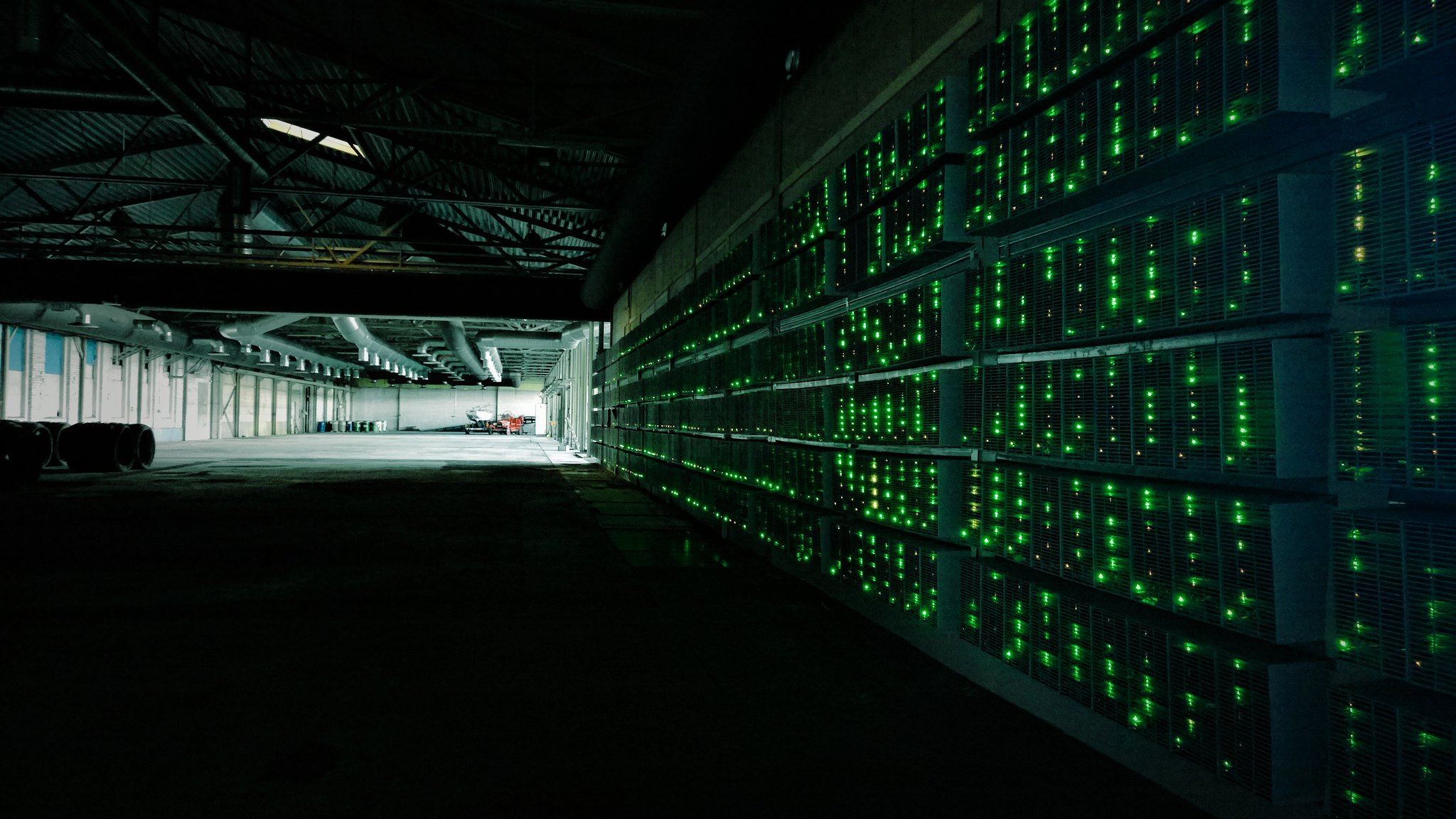
Turkmenistan has passed a law legalizing bitcoin mining and allowing bitcoin exchanges to operate, with the rules taking effect Jan. 1, 2026.
The “Law on Virtual Assets” was signed by President Serdar Berdimuhamedov in late November 2025.
Officials said the aim is to modernize the economy, attract foreign investment, and reduce reliance on natural gas exports.
Licensing and oversight
The Central Bank of Turkmenistan will oversee the sector.
Anyone who wants to mine bitcoin or run an exchange must obtain a license from the central bank.
Mining equipment and operations must be registered with the government.
Bitcoin treated as property
Under the law, bitcoin and other digital assets are classified as property rather than money.
That means bitcoin cannot be used for everyday payments such as buying goods or paying salaries.
Compliance requirements
Exchanges must verify user identities and comply with anti-money laundering rules.
Anonymous wallets and “secret transactions” are banned, with transactions and addresses required to be traceable to an individual or company.
The law also bans “hidden” or illegal mining.
Exchanges must keep most customer assets in cold storage.
Licenses can be suspended or revoked for violations.
Economic rationale and limits
Supporters argue legal clarity can help developing economies attract investment.
Economist Muhammad Rheza Ramadhan said:
“Cryptocurrency legalization has significantly boosted economic growth in developing nations by enhancing financial inclusion and providing the legal clarity essential for attracting digital foreign direct investment.”
Turkmenistan’s government also framed bitcoin mining as a way to use excess energy and create income beyond gas exports.
Internet access remains tightly controlled in the country, which could limit how quickly the sector grows.


