

In Brief
Learn how gas fees work in crypto, why they change, Trust Wallet's FlexGas feature, and smart ways to manage and reduce your transaction costs.
Key Takeaways
Gas fees are charges that support blockchain operations and pay transaction validators.
FlexGas lets you pay gas fees with TWT, USDT, or USDC on supported networks, eliminating the need for native token balances.
Smart timing, setting adjustments, and network choices can all help minimize what you pay in gas fees, keeping crypto activity affordable.
Every time a transaction happens on a blockchain, a small charge called a gas fee is involved. Gas fees keep networks running smoothly by rewarding the people and machines that process and verify crypto transactions. When sending tokens, swapping assets, or interacting with decentralized applications (dApps) using Trust Wallet, you’ll pay a gas fee to make sure the blockchain's validators or miners handle your transaction.
Why Do Crypto Networks Use Gas Fees?
Blockchains run on a distributed network of computers. Gas fees serve two purposes. First, they reward those who lend their computing power to run the network and keep it secure. Second, gas fees discourage spam and waste. Without a fee, someone could send millions of tiny transactions, making the network slow for everyone. Gas fees help to ensure that only genuine transactions are processed.
Why Gas Fees Change
No two transaction fees are the same. Gas fees depend on two main factors: the complexity of the transaction and the network's current activity level. Sending a simple token transfer usually costs less than interacting with a smart contract. When the blockchain is packed with activity, like during a big NFT mint or a market rush, fees can be higher. You will notice these changes if you try to send a transaction during busy periods, as the transaction processing cost will rise.
Every blockchain has its own rules, and some networks are busier or more expensive to run. Fees on the BNB Smart Chain, for example, are lower compared to Ethereum because of their different network designs and traffic levels. In Trust Wallet, the network fee shown before you confirm a transaction always reflects the up-to-the-minute cost for that blockchain.
FlexGas: A Smarter Way to Pay
Trust Wallet has introduced FlexGas to make gas fees much easier to manage. Traditionally, you had to keep a stash of a blockchain’s native token, like BNB or ETH, so you'd have enough to cover network fees each time you moved or swapped crypto. That often meant topping up separate balances just to be ready for fees, leading to confusion or failed transactions if you ran short.
With FlexGas, you can now pay for gas with select tokens: TWT, USDT, and USDC on the BNB Smart Chain, or USDT and USDC on Ethereum. You don’t have to juggle multiple token balances just to make a transaction. If you have enough of any supported token, you’re good to go. FlexGas runs on new blockchain technology (EIP-7702), letting your wallet act just like a smart contract for a moment to enable these alternative payments, all behind the scenes.
How To Use FlexGas in Trust Wallet
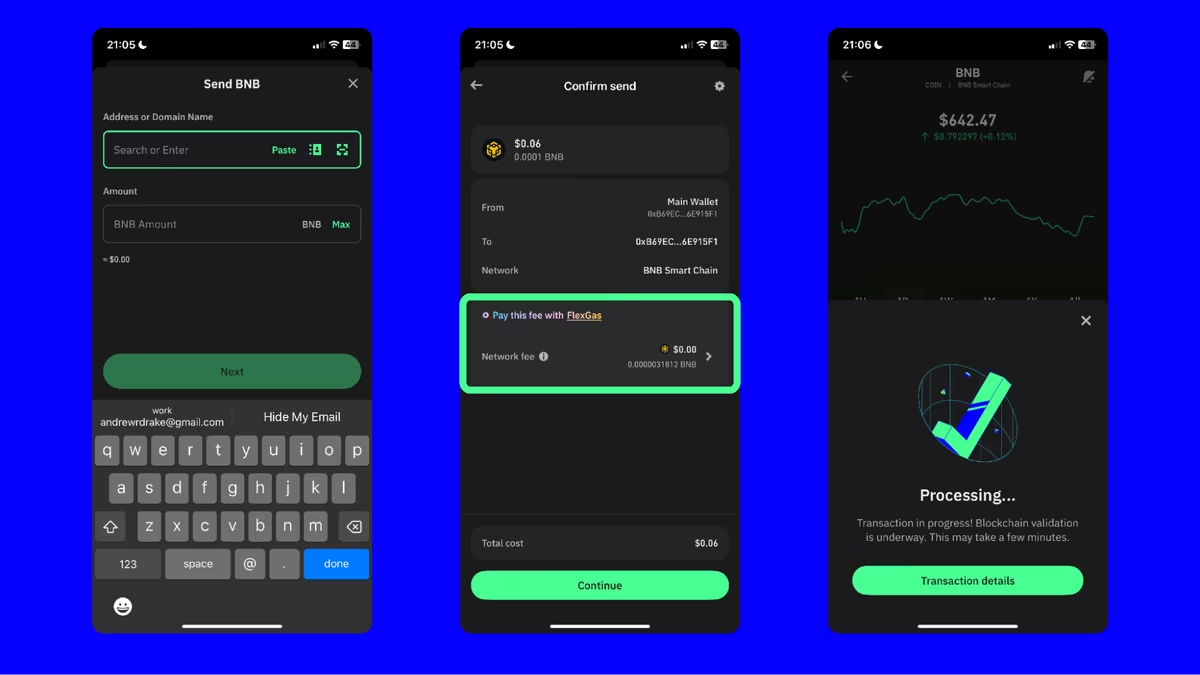
Using FlexGas is easy and fits right into your usual routine with Trust Wallet. Here’s how you do it:
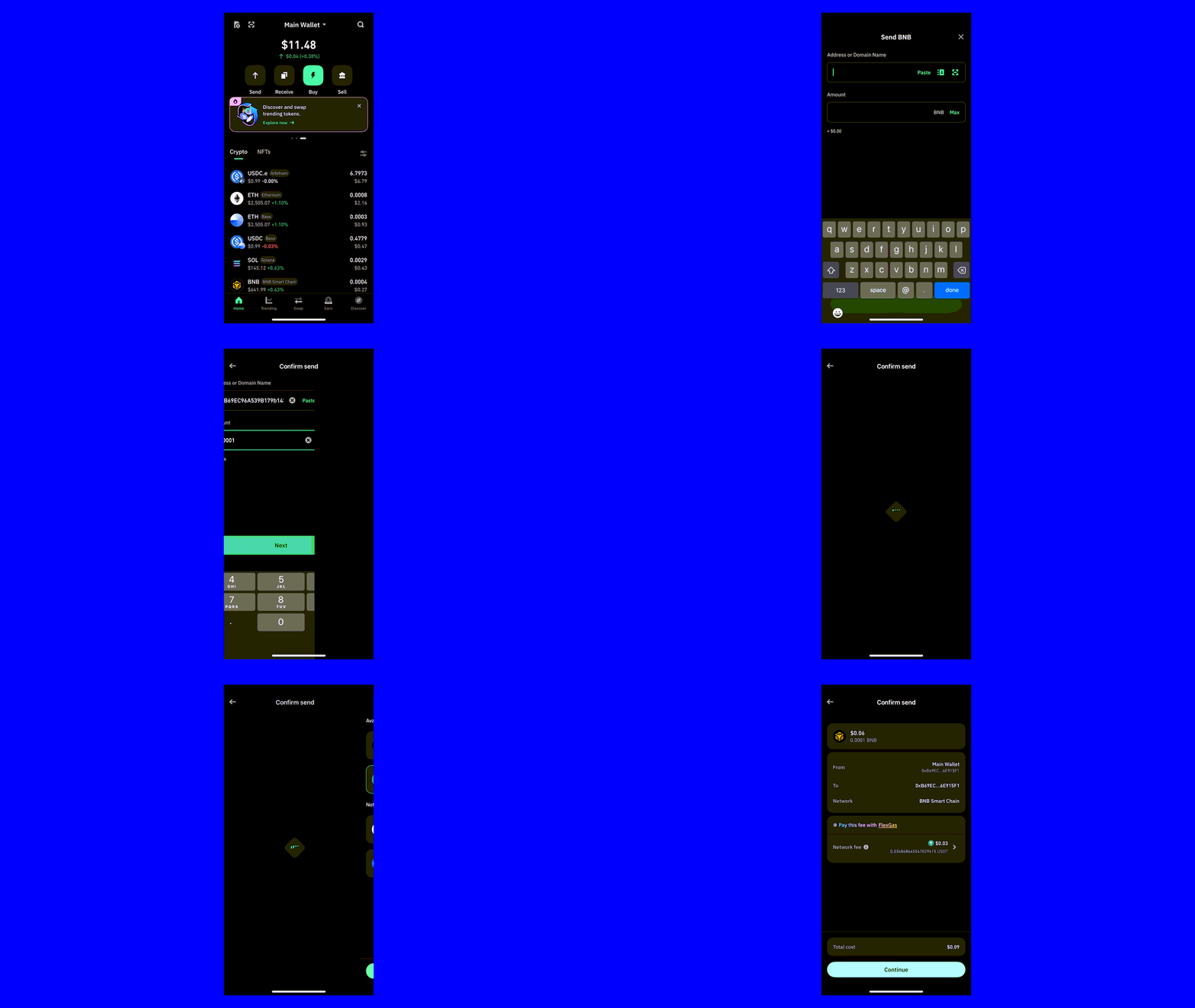
Open your Trust Wallet and start a transaction as you normally would. In this example we are sending BNB.
Tap the “Network fee” option during the transaction setup.
Select the token you want to use to pay the gas fee. On Binance Smart Chain (BSC), you can choose TWT, USDT, or USDC. On Ethereum, you can choose USDT or USDC.
Confirm your transaction. Trust Wallet takes care of the rest behind the scenes.
Practical Tips for Lowering Gas Fees
Gas fees can be managed with a little knowledge and planning. Try to send or swap tokens during off-peak network hours. When fewer people transact on the blockchain, fees often drop. Trust Wallet lets you adjust the gas fee settings before confirming a transaction. If speed isn’t urgent, lowering the gas price slightly may save some crypto. Just remember, if you set it too low, your transaction could get delayed or stuck.
Another strategy is to batch activities together when possible. Each extra transaction has its own fee, so grouping them when you can will help minimize total costs. Trust Wallet supports several networks where fees are already lower, like the BNB Smart Chain. Exploring these options, or using bridges or layer-2 solutions when available, can further reduce expenses.
For every transaction, Trust Wallet displays the estimated network fee before you complete it. Always check the amount, since it updates based on actual network conditions. Monitoring gas trends or using fee trackers can help you pick the best moments to transact.
Making Sense of Transaction Costs
Understanding gas fees is key to getting the most out of your crypto and Web3. When you understand what gas fees are, why they change, and how to manage them, you gain more control over your assets and avoid expensive surprises. Trust Wallet’s features, including FlexGas, give you flexibility, clarity, and confidence every time you move crypto on the blockchain.


