


Polyhedra Network is a web3 protocol that aims to introduce greater interoperability, privacy, and scalability within the crypto world, leveraging zero-knowledge systems.
The application is equipped with a bridge for cryptocurrencies, with which you can transfer ETH, BNB, and USDT between different blockchains, as well as a bridge for NFTs and an infrastructure for cryptographic messages.
Polyhedra has recently started collaborating with the EigenLayer restaking platform to facilitate the connection between Ethereum and Bitcoin networks, leveraging a specific zk bridging system.
What is the new crypto project Polyhedra Network?
Polyhedra Network is a next-generation protocol designed to offer crypto users a convenient and secure solution for transferring their assets cross-chain, leveraging the advanced technology of Zero-knowledge proofs (ZKP).
This innovative application provides a highly efficient interoperable foundation for digital resource transfers, encrypted messaging exchanges, and data sharing between web2 and web3 infrastructures.
Polyhedra succeeds in the goal of processing thousands of transactions per second with minimal fees, thanks to its innovative consensus algorithm and sharding mechanism.
At the same time, it supports multiple programming languages and frameworks, such as Solidity, Rust, and JavaScript, and ensures the security and integrity of the network, as well as the privacy of its users’ data.
In detail, the network is divided into 3 components that integrate with each other: Polyhedra Chain, Polyhedra Hub, and Polyhedra SDK
The first represents a first-level blockchain that supports fast and cost-effective transactions, and advanced functionalities.
The second one represents a second-level scalability solution that connects multiple cryptographic networks and allows for seamless interoperability.
Finally, the last component is a software development kit that allows developers to easily build decentralized applications within the Polyhedra network.
Among the most interesting products released by the cryptographic protocol team, we see the Token Bridge, the Bridge for NFT and the zk messaging infrastructure known as Greenfield zkMessenger
Regarding the bridge for fungible crypto, we can transfer coins such as ETH, BNB, and USDT between a wide range of networks such as Ethereum, Base, Linea, Optimism, Arbitrum, Mantle, Polygon, BNB chain, etc.
The NFT Bridge is still in the mainnet Alpha version with limited functions that allow sending non-fungible tokens between different networks and executing the redemption of the same resources, while the Greenfield zkMEssanger is under development on testnet.
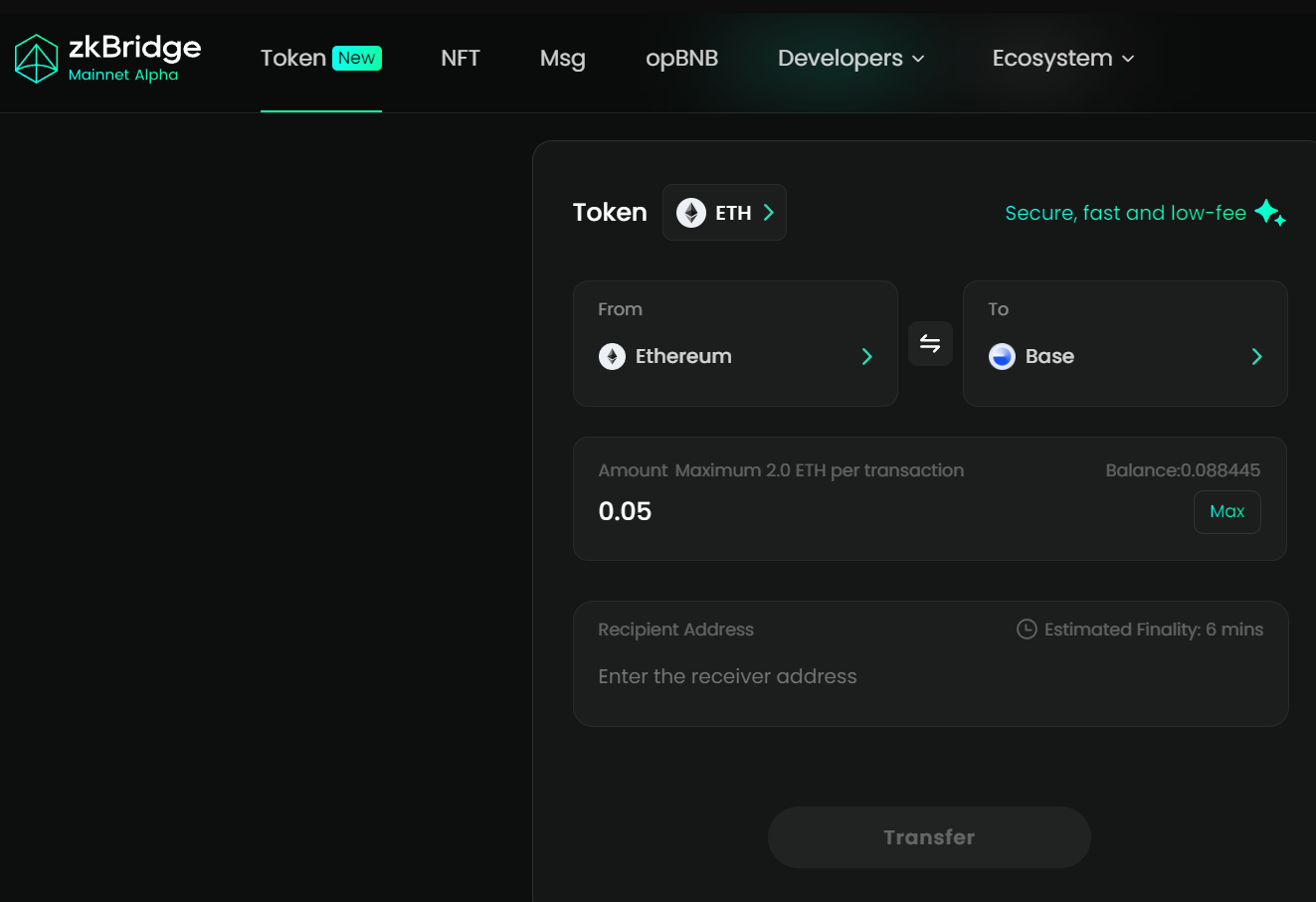
The Polyhedra Network technology is still in the architectural development phase, with the protocol undergoing rigorous testing and optimizations.
The network also plans to launch its own decentralized exchange, a lending platform, an Oracle service, and an NFT marketplace in the near future.
The zkBridge Bitcoin by Polyhedra
Recently Polyhedra has entered into a partnership with the restaking protocol EigenLayer with the aim of further developing zk Bridge technology, making crypto transfers from the Ethereum network to Bitcoin possible and improving the efficiency of various L1 and L2 networks.
Polyhedra thus expands the initiative previously launched with the same bridge, inaugurating the dual staking of EigegnLayer that uses native tokens on multiple blockchains.
This approach, which is based on the implementation of zero-knowledge technologies and the mechanism of recommitment, offers BTC holders the opportunity to generate profits and provides substantial benefits to the overall BTC ecosystem.
The primary feature of the zkBridge product is that, unlike traditional dual staking systems that use native tokens and ETH, it incorporates Bitcoin as a secondary staking resource.
This type of cross-chain communication, in order to work and be recognized as valid within the Polyhedra blockchain, must receive a double validation from two distinct groups: native token operators and operators supported by BTC.
By doing so, a high level of security and consensus is achieved, allowing users to switch between the two cryptographic networks, which are inherently non-communicating with each other, in complete safety and ease.
This framework also reduces the likelihood of unilateral decision-making processes or manipulations, as it requires a broader consensus among different asset holders.
The integration between EigenLayer and Polyhedra expands the set of available LST tokens and leverages the stability and reputation of the Bitcoin market, providing an additional level of trust and resilience to the process.
Both the bitcoiner and ethereum fan boy crypto communities will be able to engage with each other to contribute to the security and consensus processes of the blockchain, fueling greater participation within the network.
Currently, the dual staking, which will allow the use of the BTC crypto within Polyhedra, is not yet live, but it will be launched after the AVS of EigenLayer mainnet.


