

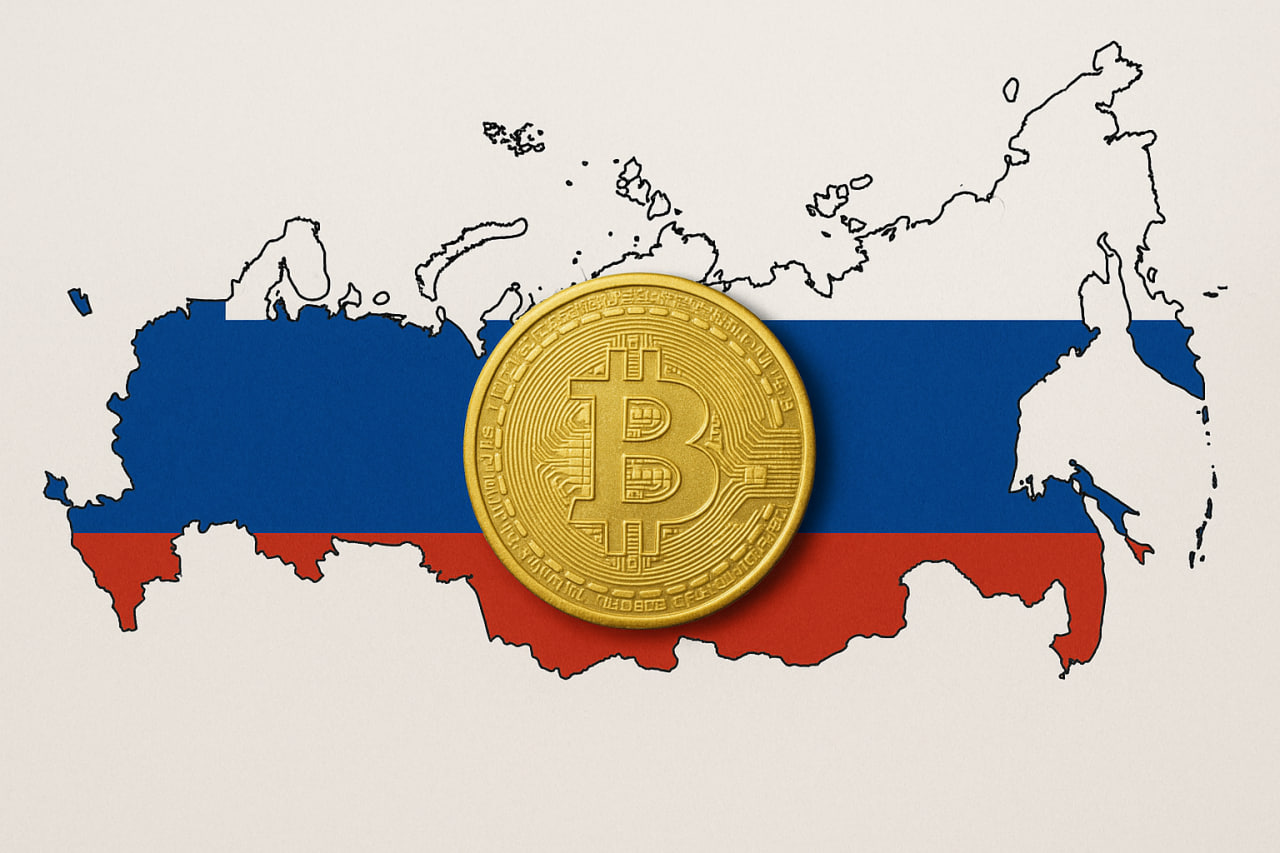
Russia’s central bank is preparing a major expansion of financial reporting rules that will require commercial banks to disclose far more detail about their customers’ cross-border transactions, including those connected to cryptocurrency.
The move comes as Moscow accelerates plans to fully regulate the domestic crypto market later this year.
Key takeaways:
Russian banks will be required to report detailed data on crypto-related cross-border transactions
Purchases, sales, and transfers of digital currencies will be listed separately
The changes aim to capture crypto activity in Russia’s balance of payments
New rules come ahead of broader crypto market regulation expected this year
The initiative is being driven by the Bank of Russia, which has drafted amendments to existing reporting standards for financial institutions. According to Russian media citing the draft regulation, the new requirements will apply to almost all international transfers initiated by private individuals, with cryptocurrency-related operations explicitly included.
Under the proposal, banks will have to submit comprehensive information about each transaction. This includes the residency status of both sender and recipient, the payment method used, any intermediaries involved, and the fees charged. Institutions will also need to specify the source of funds, whether they originate from cash, bank accounts, cards, or other electronic instruments.
Crypto transactions will receive special attention. Purchases and sales of digital currencies must be reported as separate categories, while an additional section will be dedicated to operations involving digital rights and tokenized assets. These include instruments covered by Russia’s law on Digital Financial Assets, such as tokenized securities or precious metals, as well as non-fungible tokens.
The scope of reporting goes beyond crypto investing. Banks will also be expected to provide more granular data on payments for online services, including video games, software, insurance products, and telecommunications, reflecting the growing digitalization of cross-border spending.
Why Moscow wants more data
The central bank says the reporting overhaul is necessary to account for new forms of economic activity that are not yet fully reflected in Russia’s balance of payments, international investment position, and external debt statistics. Cryptocurrency mining is one such example.
Mining was officially recognized and regulated as an industrial activity in late 2024. By the end of 2025, a senior Kremlin official publicly described mining revenue as a form of “hidden export” with a measurable impact on Russia’s currency flows. The idea of including this income in national financial statistics has since gained traction, with central bank officials acknowledging that the sector has already influenced the strength of the ruble.
Beyond mining, regulators are now turning their attention to crypto investment, trading, and related financial services. In December, the Bank of Russia outlined a new regulatory concept that would classify digital currencies such as Bitcoin and Ethereum as “monetary assets” and broaden access for retail investors.
Before the anticipated legislation is adopted, potentially as early as summer, the central bank plans to conduct a targeted review of the financial sector. Selected banks will be asked to disclose their exposure to digital assets, including investments and lending to crypto-related companies. The stated aim is to assess how deeply cryptocurrencies are embedded within Russia’s regulated financial system.
These steps build on earlier signals from the regulator. In October, it confirmed that commercial banks would be permitted to work with crypto assets under a defined legal framework. The new reporting rules suggest that, alongside greater access, Moscow intends to keep a much closer watch on how digital currencies move through the banking system.


