

A surprise push from the White House has shaken investor confidence across multiple sectors, underscoring how quickly political risk can upend even Wall Street’s most reliable profit engines.
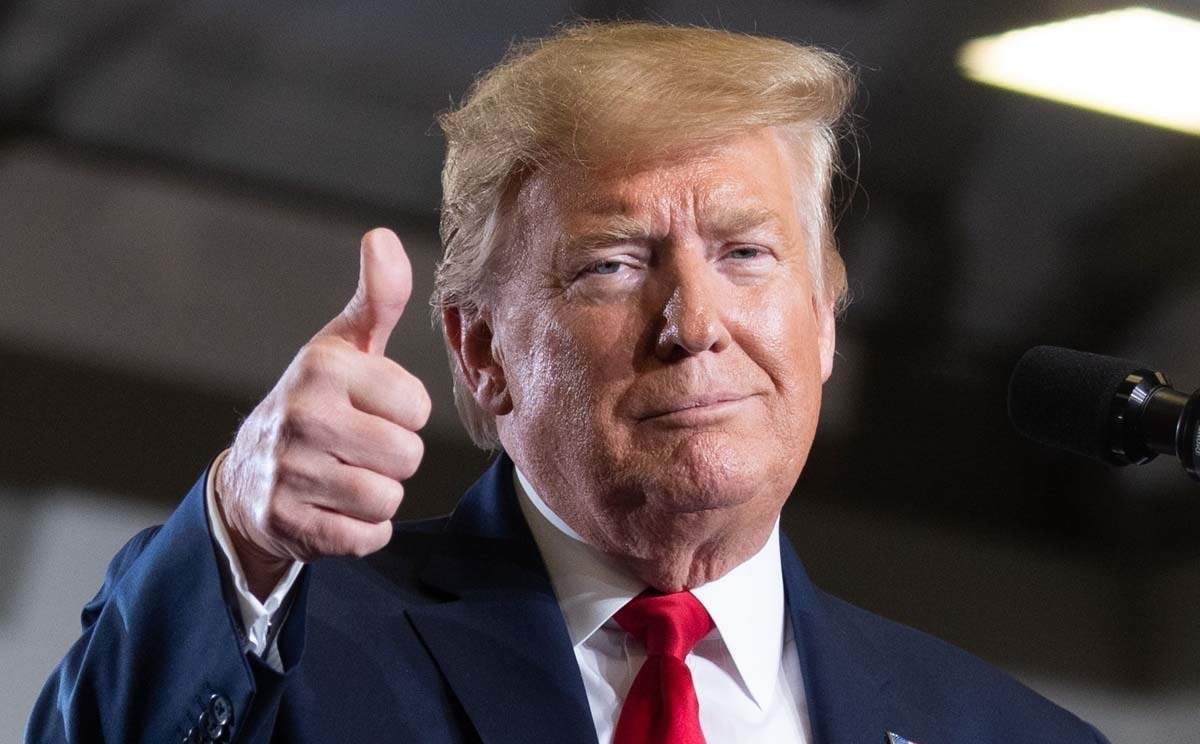
President Donald Trump’s call for a temporary cap on credit card interest rates has rippled far beyond banks, dragging down payment networks, airlines, and retailers while reigniting debate over the reach of executive power in consumer finance.
Key Takeaways
Trump’s call for a 10% credit card interest cap triggered a selloff in bank stocks
Investors fear billions in lost profits from one of banking’s most lucrative businesses
The pressure spread to payment networks, airlines, and retailers with card exposure
Analysts doubt the policy will pass, but uncertainty alone has shaken markets
A proposal that caught markets off guard
Trump’s demand would limit credit card interest rates to 10% for one year, roughly half the current average rate carried on outstanding balances. The announcement arrived without draft legislation or clarity on enforcement, but the potential impact was immediately clear to investors. Credit cards are among the most profitable products in US banking, and even a short-term cap could strip billions from annual earnings.
Markets reacted swiftly. Shares of Capital One Financial, the country’s largest card issuer, posted their steepest decline in months. Other major players, including JPMorgan Chase, American Express, and Synchrony Financial, followed lower as analysts reassessed revenue forecasts and credit risk.
A blow to the deregulation narrative
The timing amplified the shock. Financial stocks had been buoyed by expectations that a Trump administration would favor lighter regulation and business-friendly policies. Instead, the credit card proposal reminded investors that political priorities can shift abruptly, even at the expense of powerful industries.
While many analysts doubt the proposal will ultimately become law, the uncertainty alone has been enough to cloud the sector’s outlook. Keefe, Bruyette & Woods analysts warned that a cap would severely compress margins and potentially restrict credit availability, creating broader economic consequences.
Payment networks pulled into the selloff
Pressure intensified when Trump urged lawmakers to revive the Credit Card Competition Act, a bipartisan bill aimed at reducing the roughly $200 billion in fees collected annually from merchants by banks and card networks. That move pushed shares of Visa and Mastercard lower, extending the market reaction beyond lenders.
Skepticism remains widespread. Compass Point analyst Ed Groshans estimated the chances of a 10% cap being enacted at under 20%, citing the lack of presidential authority to impose interest rate ceilings and Congress’s long history of failing to advance similar legislation.
As earnings season got underway, bank executives faced pointed questions. Citigroup CFO Mark Mason cautioned that a cap could slow economic growth, while Bank of America CEO Brian Moynihan warned it could drive borrowers toward unregulated and riskier forms of credit. JPMorgan CFO Jeremy Barnum echoed those concerns, arguing that such a policy would ultimately harm consumers by reducing access to legitimate credit.
Shockwaves reach airlines and retailers
The fallout did not stop at finance. Airlines depend heavily on co-branded credit card partnerships, which generate more than $30 billion annually from mileage sales, according to Bernstein analysts. Shares of Delta Air Lines, United Airlines, and Southwest Airlines fell alongside retailers such as Macy’s and Kohl’s, which also rely heavily on credit card programs.
Even if Trump’s proposals stall, the episode has delivered a stark reminder: policy risk remains a powerful market force, capable of reshaping expectations across entire industries with a single announcement.


