

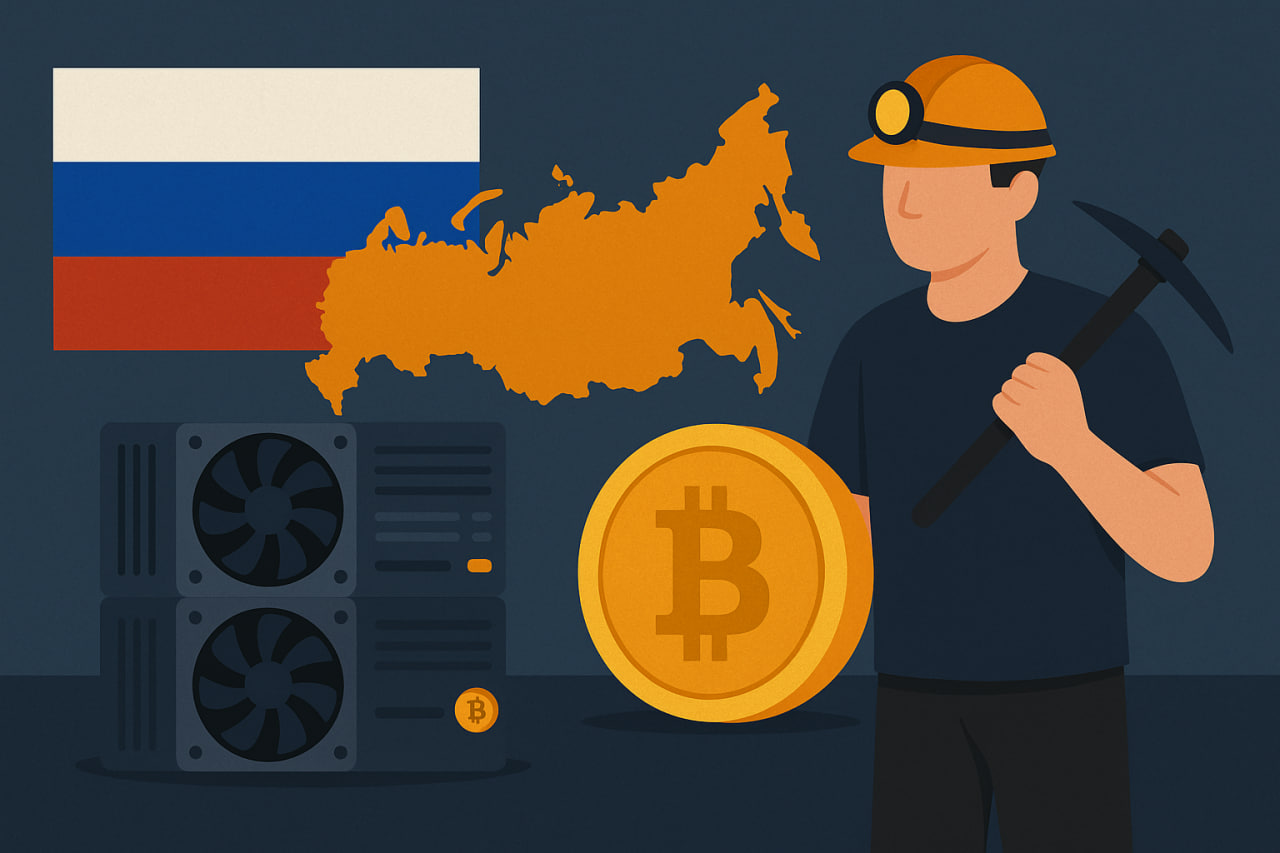
What started as a regulatory headache has turned into a growing strain on Russia’s energy system.
Lawmakers are now warning that unauthorized cryptocurrency mining is quietly siphoning off electricity, destabilizing regional grids, and leaving the state with mounting financial losses.
Key Takeaways
Unauthorized crypto mining is draining Russia’s power grid and public finances
Losses are driven by electricity theft, infrastructure strain, and unpaid taxes
Irkutsk remains the largest hub of illegal mining despite year-round bans
Regional prohibitions have delivered limited relief to the energy system
Estimates disclosed in parliament suggest the damage is no longer marginal. Underground mining operations are now blamed for losses equivalent to hundreds of millions of dollars each year, largely tied to stolen power, infrastructure stress, and missing tax revenue.
Energy theft, not speculation, is the real issue
According to Nikolay Shulginov, who heads the Energy Committee in the State Duma, the problem goes far beyond crypto markets themselves. Illegal miners are tapping directly into power networks, creating overloads that disrupt supply for households, hospitals, and new residential developments.
The economic impact is twofold. On one side, energy companies absorb losses from unpaid electricity and damaged infrastructure. On the other, the state misses out on billions of rubles in taxes that registered miners are required to pay. Research backing these claims was compiled by the Stolypin Institute for the Economy of Growth, a Russian economic policy think tank.
Legalization didn’t end the shadow economy
Russia attempted to bring order to the sector in late 2024 by legalizing crypto mining under a registration and taxation framework. Companies and entrepreneurs were allowed to operate openly if they registered with tax authorities, while individuals were granted limited rights to mine below a fixed electricity threshold.
The result has been underwhelming. Officials now admit that most miners never registered at all. Cheap electricity in certain regions made operating illegally more profitable than complying with the law, keeping a large share of activity hidden from regulators.
Crackdowns spread, results remain thin
As power shortages worsened, authorities responded with bans rather than incentives. Mining has been prohibited across multiple regions until at least 2031, with additional areas preparing similar restrictions in the coming years.
Yet even supporters of the bans concede they have delivered little relief. Despite sweeping prohibitions, only a small fraction of electricity capacity has been recovered, suggesting that illegal operations are either relocating or continuing covertly.
Irkutsk shows the scale of the problem
The clearest example is Irkutsk Oblast. Long attractive to miners due to low electricity costs, the Siberian region remains Russia’s largest hotspot for illegal crypto activity despite year-round restrictions.
Lawmakers visiting the area were shown warehouses filled with confiscated mining equipment, highlighting the industrial scale of the operations. Similar patterns have emerged in the North Caucasus, where dozens of illegal facilities were dismantled last year alone. Grid operator Rosseti estimates that electricity stolen by rogue miners in that region reached hundreds of millions of rubles within months.
Lawmakers turn to harsher measures
With enforcement lagging behind reality, pressure is building for tougher penalties. A new bill before parliament proposes steep administrative fines for illegal mining, escalating sharply for repeat violations.
Some officials argue financial penalties won’t be enough. Proposals now circulating include criminal charges, prison sentences, and compulsory labor for persistent offenders. At the same time, lawmakers are pushing parallel legislation that would place the entire crypto sector under tighter oversight by the Ministry of Finance, hoping stricter supervision will push more miners into the legal system.
Why the issue is escalating now
Russia’s experience exposes a broader dilemma facing energy-rich countries. Cheap power attracts crypto miners, but without strong enforcement or clear incentives, legalization alone may fail to control growth. Instead, it can deepen the divide between legal operators and a shadow economy that exploits subsidies and weak oversight.
For Russian authorities, the conclusion is becoming unavoidable. Without decisive action, illegal mining risks turning from a fiscal problem into a long-term threat to energy security.


