

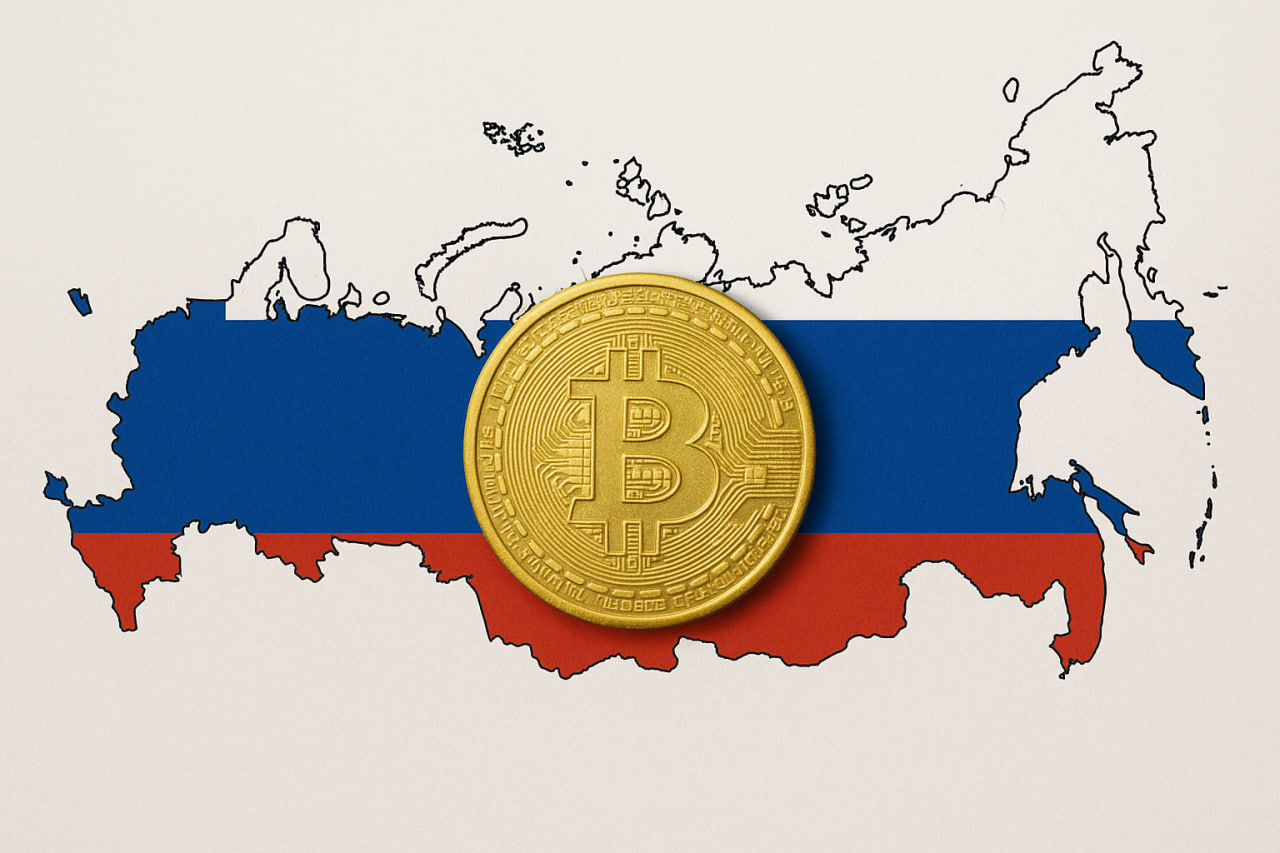
Russia is preparing to take its most decisive step yet toward regulating cryptocurrencies, ending years of uncertainty that left traders, banks, and exchanges operating in a legal vacuum.
Key Takeaways
Russia is preparing a comprehensive crypto law that could legalize regulated trading by retail and institutional investors by 2027
Unregistered crypto exchanges could face severe penalties, ending years of legal ambiguity
Retail access will be limited to approved major cryptocurrencies, with stricter rules for smaller tokens
After prolonged internal disagreements, Moscow is now close to finalizing a unified crypto framework. The legislative push is being coordinated by Anatoly Aksakov, who confirmed that a comprehensive bill is scheduled for review by the State Duma at the end of June. If approved, the rules would gradually roll out starting this summer, with full market access for investors expected by 2027.
This marks a sharp break from Russia’s previous approach, where crypto existed in a tolerated but undefined space, neither fully legal nor outright banned.
Ending the Grey Zone for Exchanges
One of the central goals of the legislation is to bring crypto exchanges under direct state oversight. Platforms will be required to register and comply with financial regulations, similar to traditional financial institutions. Operating outside this framework would no longer be treated lightly, with penalties potentially including criminal charges, mirroring Russia’s enforcement against illegal banking activities.
For the first time, crypto trading would move from informal acceptance to explicit legal recognition.
Why the Central Bank Changed Its Tone
Russia’s central bank has long been one of crypto’s fiercest critics, at times calling for a total ban. That position has softened as economic realities shifted. Sanctions imposed by the US, EU, and UK have complicated access to dollar-based trade, forcing businesses to explore alternative settlement methods.
In parallel, domestic banks report rising demand from clients seeking exposure to actual digital assets rather than synthetic products. While the central bank continues to promote the digital ruble, scheduled for broader rollout later this year, it has also accepted that decentralized crypto assets are becoming part of the financial landscape.
Who Can Buy Crypto and What They Can Buy
Retail investors will be allowed to participate, but under tight controls. Lawmakers are discussing eligibility tests and annual limits on how much individuals can invest. In addition, access will likely be restricted to a shortlist of large, liquid cryptocurrencies.
That list is expected to include Bitcoin and Ethereum, while assets outside the approved range would be reserved for qualified investors. The aim is to limit risk exposure while still allowing broad participation.
Stablecoins as a Tool for Trade
Stablecoins are emerging as a separate focus within the law. Policymakers increasingly see them as instruments for cross-border commerce rather than speculative assets. Dollar-pegged tokens such as USDT, issued by Tether, could be used by companies for international settlements, though likely only through licensed intermediaries.
This approach reflects Russia’s need for alternatives to traditional dollar-based payment channels.
A Global Regulatory Race
Russia’s move comes as other major economies face similar pressures. In the United States, lawmakers are expected to revisit the long-delayed CLARITY Act today, as Washington seeks to establish clearer rules for crypto markets and stablecoins. While the political motivations differ, both countries are converging on the same conclusion: regulatory uncertainty is no longer sustainable.


