

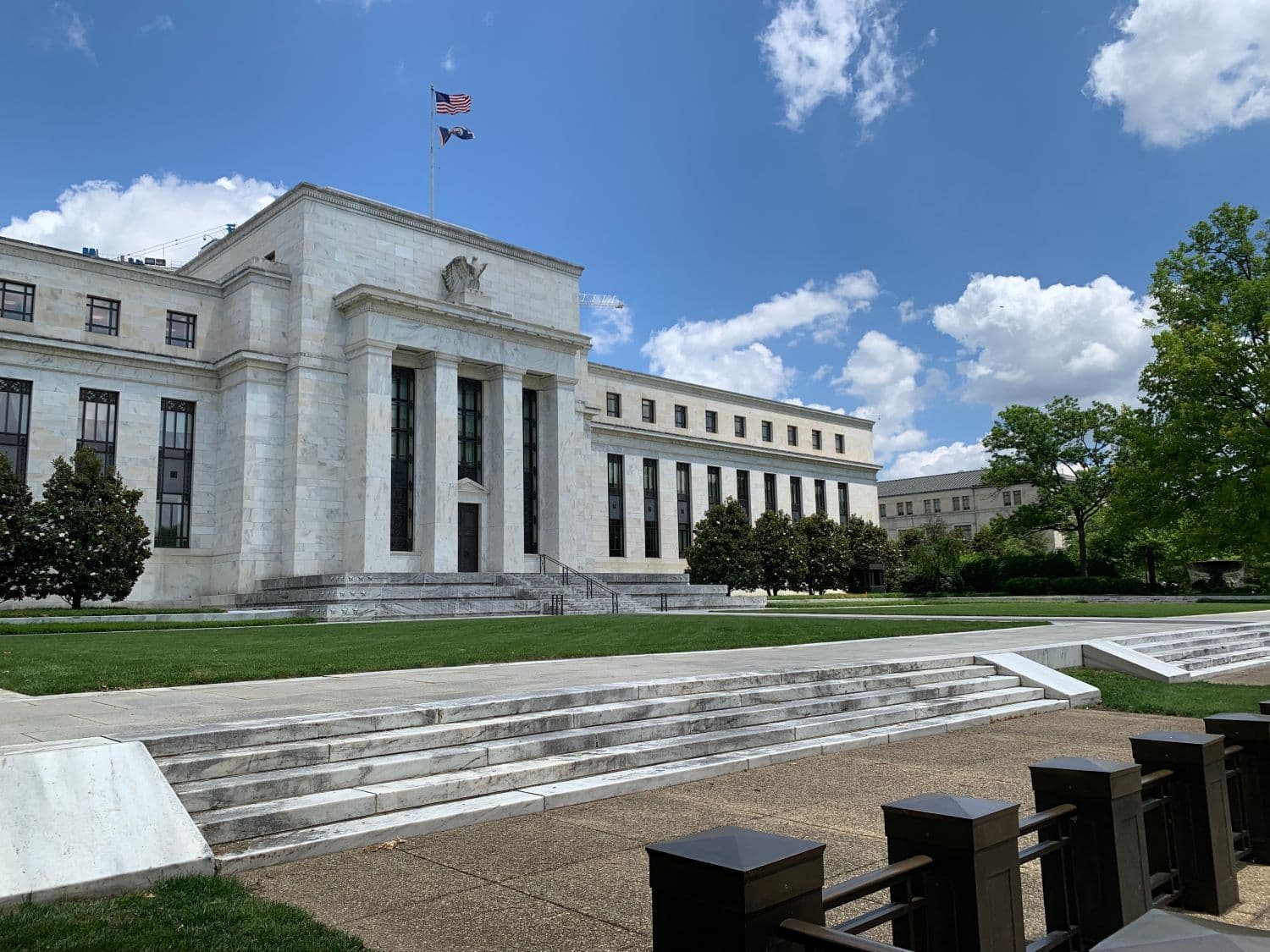
Former Federal Reserve Governor Kevin M. Warsh has been nominated by President Donald Trump as the next Chair of the U.S. Federal Reserve, a move that is already reshaping expectations for monetary policy and broad markets, including Bitcoin (BTC) and the wider cryptocurrency ecosystem.
If confirmed by the U.S. Senate, Warsh will succeed Jerome Powell when Powell’s term expires in May and immediately confront the dual challenges of inflation stability and financial market volatility, a backdrop in which crypto assets are particularly sensitive.
Who Is Kevin Warsh?
Warsh, 55, is an American financier and former member of the Federal Reserve Board of Governors (2006–2011), where he became the youngest governor in the central bank’s history.
Educated at Stanford University and Harvard Law School, Warsh later served at Stanford’s Hoover Institution and in senior advisory roles in both government and the private sector.
He was a key figure in Fed crisis response during the 2008 financial meltdown, acting as a principal liaison to Wall Street and global monetary counterparts.
Monetary Philosophy And Policy Approach
Warsh is widely seen as intellectually rigorous and pragmatic.
During his earlier Fed tenure he was known for concern about inflationary pressures and the long-term impacts of quantitative easing, though recent market commentary suggests he may be open to measured interest rate cuts once inflation risks recede.
Analysts describe him as favoring a rules-based monetary framework, caution in balance sheet expansion, and a “supply-side” emphasis over demand-boosting policy, positioning that could blend traditional hawkish credibility with limited dovish flexibility.
Market Reaction And Crypto Impact
Financial markets responded swiftly to Warsh’s nomination.
Also Read: SEC, CFTC Launch Joint Crypto Initiative To Align U.S. Oversight And Bring Digital Asset Markets Onshore
The U.S. dollar strengthened and precious metals like gold and silver tumbled, as investors repriced expectations around interest rates and asset valuations.
Risk assets, including equities and Bitcoin, have already shown volatility, reflecting concerns that tighter or more disciplined monetary policy could reduce liquidity, a key driver of speculative asset performance.
Historically, higher real rates and a stronger dollar correlate with downward pressure on Bitcoin’s risk premium. (Market context based on prevailing macro-financial relationships.)
Implications For Bitcoin And Digital Assets
Under a Warsh-led Fed, several dynamics could shape the future of Bitcoin:
1. Liquidity and Risk Appetite Markets expect Warsh to pursue policies that emphasize price stability and a potentially smaller balance sheet, which could reduce liquidity, a headwind for Bitcoin’s speculative valuation.
2. Regulatory and Structural Signals Warsh’s history of caution about unconventional policy tools could translate into a more structured and risk-aware regulatory stance toward crypto, even as digital innovation gains traction. Analysts believe his Fed might encourage frameworks like central bank digital currency (CBDC) while maintaining skepticism toward decentralized tokens. (Implied from macro policy orientation and expert commentary.)
3. Institutional Positioning Institutional investors, whose allocations can move billions into digital assets, may recalibrate Bitcoin’s portfolio role amid forecasts of tighter monetary conditions and shifting yield curves.
Senate Confirmation And Next Steps
Warsh’s nomination is subject to Senate approval, where some lawmakers have signaled scrutiny on central bank independence [and other governance issues. ](https://yellow.com/news/experts-say-feds-neutral-stance-could-trigger-capital-rotation-into-crypto-but-markets-need-fresh-catalysts-first/bbWhy Central Banks Are Stockpiling Gold Instead Of U.S. Debt For First Time Since 1996)
Read Next: Why Central Banks Are Stockpiling Gold Instead Of U.S. Debt For First Time Since 1996


