

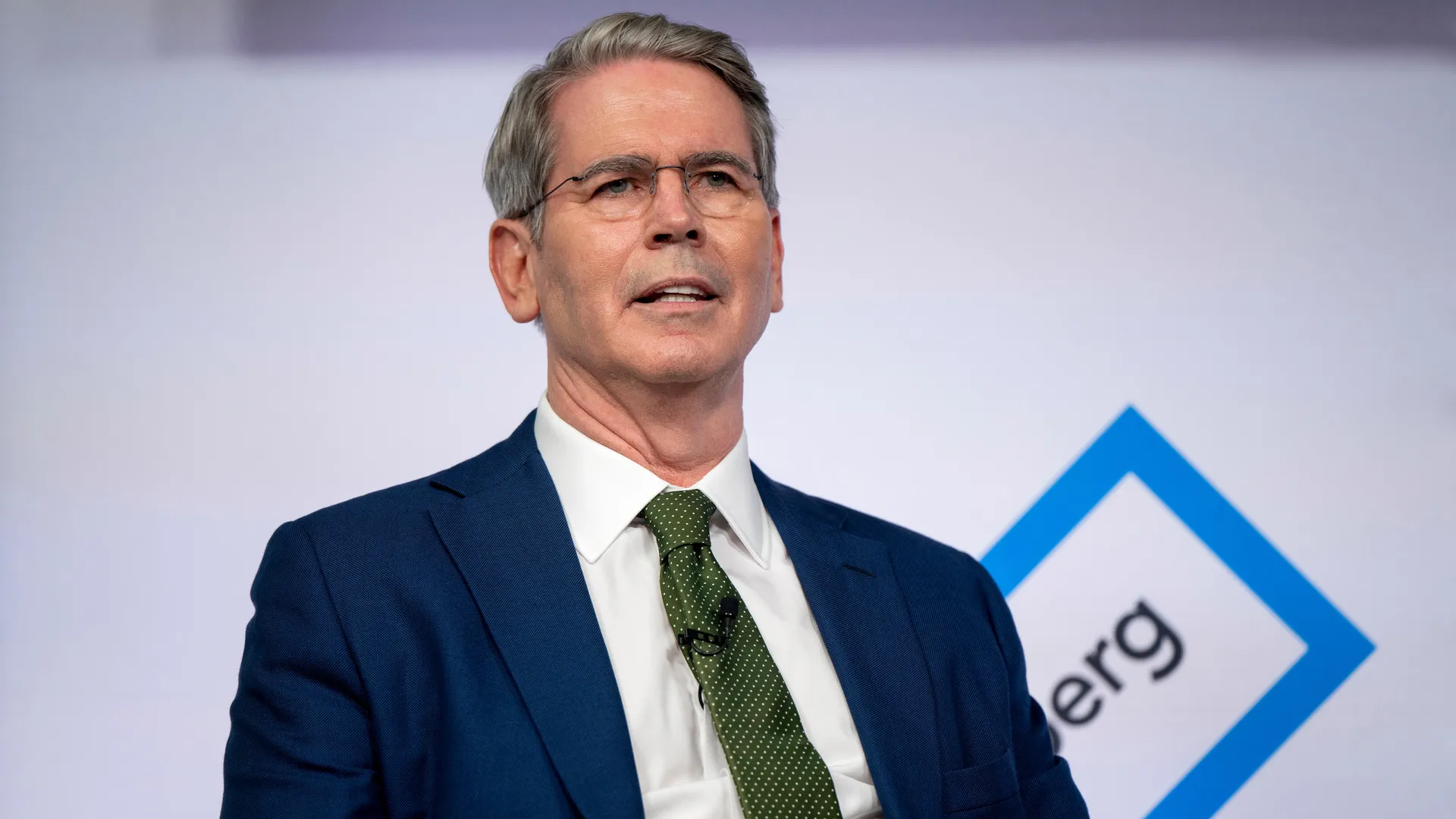
Speaking on CNBC’s Squawk Box, Kevin Hassett argued that Bitcoin’s volatility should not surprise investors, noting that the asset has historically experienced average drawdowns of around 58% during major corrections.
Key Takeaways
Hassett says Bitcoin’s 58% average drawdowns are normal and long-term holders expect volatility.
He urges Congress to pass the CLARITY Act and send it to President Donald Trump this spring.
Major crypto firms pulled support over stablecoin yield bans, tokenization limits, and heavy compliance rules.
Using Bitcoin as a proxy for the broader crypto market, Hassett said these sharp declines are part of the asset class’s structural behavior rather than a sign of collapse. According to him, long-term holders understand what they own and are accustomed to extreme price swings. Volatility, he suggested, is embedded in crypto’s growth cycle.
Clarity Bill Seen as Critical Turning Point
Hassett emphasized that amid what he described as a historic sell-off, regulatory clarity could serve as meaningful good news for markets. He called for bipartisan cooperation between Democrats and Republicans to move the CLARITY Act forward, stressing that it is important to get the legislation finalized and on President Donald Trump’s desk this spring.
He argued that previous Democratic leadership had taken an adversarial approach toward the industry, which he believes constrained innovation. In contrast, he framed the current administration as seeking to position the United States as the digital capital of the world.
Industry Support Fractures Over Amendments
Despite years of lobbying by the crypto sector for a formal market structure, support for the CLARITY Act has weakened in early 2026. Major companies, most notably Brian Armstrong and Coinbase, withdrew backing after late-stage amendments were introduced.
Critics argue that the revised version of the bill is materially worse than the existing regulatory environment.
One of the most controversial provisions is a ban on stablecoin issuers offering yield or rewards to holders. The measure, reportedly supported by traditional banking interests, would prohibit interest-bearing stablecoins. Crypto firms argue this removes a key user incentive and protects bank deposits from digital competition.
Another major concern involves tokenized equities. Industry leaders warn that the current language could effectively block tokenized stocks in the United States, pushing innovation offshore at a time when global competition in digital finance is intensifying.
DeFi and Compliance Costs Under Scrutiny
Decentralized Finance has also emerged as a flashpoint. Critics claim the Act could impose aggressive surveillance and compliance obligations on DeFi protocols, potentially forcing public blockchains to operate more like permissioned systems.
Smaller startups are particularly concerned about projected annual compliance and auditing costs estimated between $100,000 and $200,000. Many argue such expenses would be prohibitive for early-stage teams and would favor large, established financial players.
Although the bill aims to clarify oversight by shifting more authority toward the CFTC, some firms argue it still grants the SEC significant control over new token projects, limiting regulatory flexibility.
The growing opposition forced a postponement of a Senate Banking Committee vote in January 2026, leaving the legislation’s immediate path uncertain.
Clarity or Continued Uncertainty?
Hassett warned that resistance from within the crypto industry could undermine broader progress. He suggested that blocking the bill outright is not good for the community, particularly during a period of heightened market stress.
With Bitcoin navigating another historically significant correction, the debate over regulatory clarity is increasingly tied to market confidence. Whether lawmakers can reconcile industry concerns with political momentum may determine not only the fate of the CLARITY Act, but also the trajectory of U.S. digital asset leadership in 2026.


