

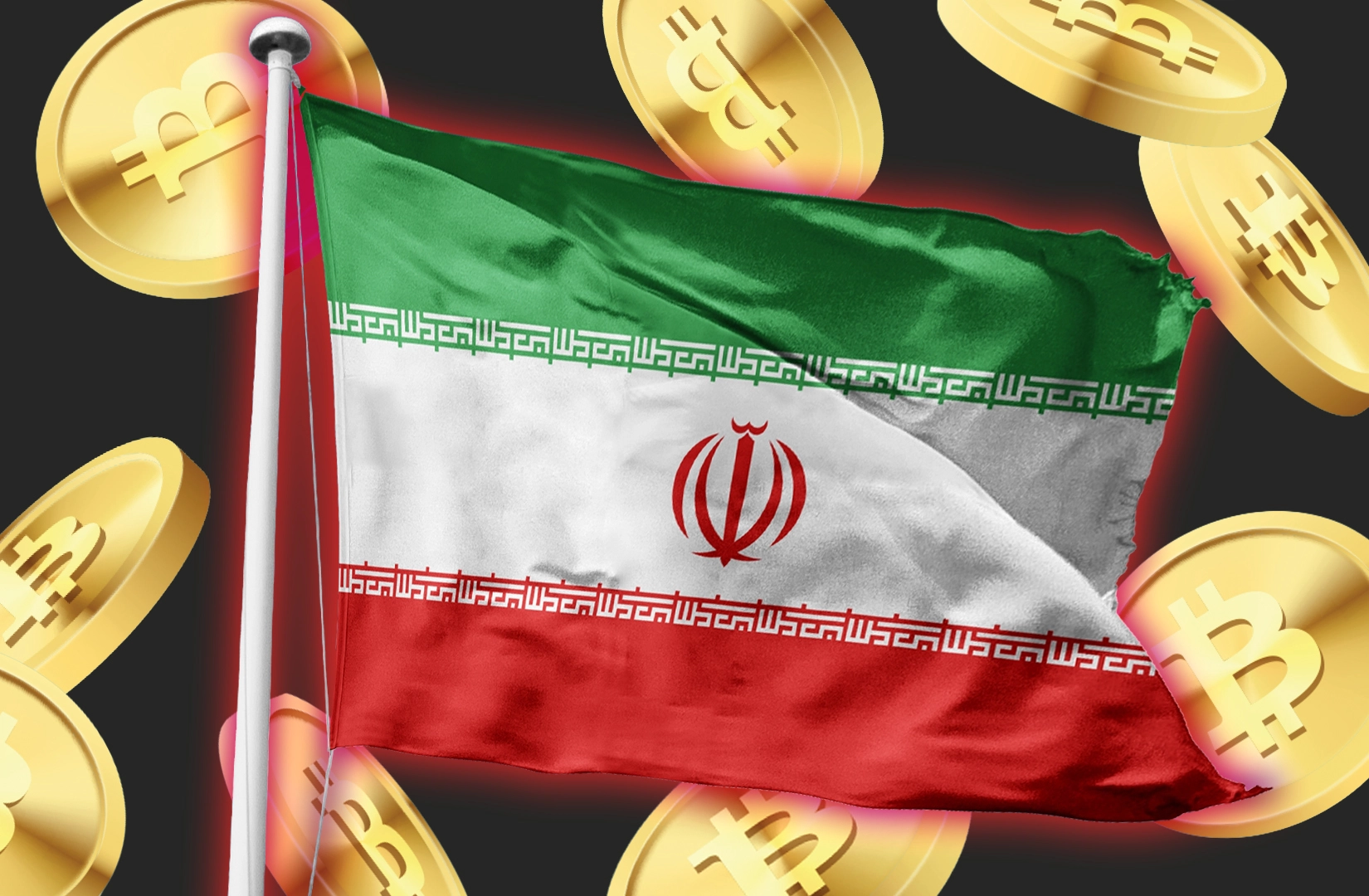
An Iranian government spokesperson said the country wants Bitcoin for passage through the Strait of Hormuz.
The demand comes as Israel, Iran and the US remain at war.
Bitcoin isn't ready to handle that level of payments, said the Bitcoin Policy Institute.
Amid falling bombs, botched negotiations, and thundering rockets, Iran announced it would start accepting Bitcoin as payment by companies using the Strait of Hormuz.
But analysts reckon there’s a long way to go before that materialises.
That’s because today, at least, Bitcoin isn't fit for Iran's intentions. Transactions are publicly broadcasted, slow, and expensive at times, forcing users to rely on Layer 2 solutions for payments. But the ideal option, the Lightning Network, has its own struggles, the main one being liquidity.
“Onchain data has yet to reveal Bitcoin moving at the scale required to settle tanker tolls,” wrote Sam Lyman of the Bitcoin Policy Institute in a new April 15 report.
It was just last week that the Financial Times reported Iran was to start accepting Bitcoin for using the Strait of Hormuz. And for years, most of the crypto that flows through the country are stablecoins like USDT on Tron.
For Lyman, there’s another story brewing. Iran is signalling a long-term pivot toward censorship-resistant financial rails. In short, Bitcoin.
Iran is no stranger to crypto. In 2019, the parliament legalised Bitcoin mining. Miners in Iran eventually topped 4% of the global hashrate and ran more than 427,000 machines. Since 2019, around $3 billion in crypto-related flows has been attributed to Iran’s Islamic Revolutionary Guard Corps, according to blockchain surveillance firm TRM Labs.
Tether freeze
Iran could have demanded stablecoins. But relying overwhelmingly on them spells danger.
Unlike Bitcoin, dollar-backed stablecoins like USDC or USDT are issued by centralised companies that can unilaterally freeze funds at the behest of authorities.
That sort of power has been wielded against Iran many times.
In 2025, Tether froze dozens of wallets tied to Iranian actors, including $37 million connected to the country’s central bank. More than 40 additional addresses were flagged for sanctions exposure.
For Tehran, that creates a structural vulnerability. Stablecoins might be faster and more practical for moving value today, but they remain exposed to the same enforcement mechanisms that underpin the dollar system that Iran is attempting to bypass.
Bitcoin isn’t enough
In late March, Iran’s parliament approved a plan that establishes a toll system where the country collects fees for oil tankers passing through the Strait of Hormuz.
Around 21 million barrels of oil, or about 20% of the world’s supply, passes through the Strait of Hormuz every day. Fees are at around $1-per-barrel, according to Lyman, generating up to $2 million from a single supertanker.
Bitcoin can’t handle that.
These tolls need to be fast and private, argued Lyman, and since transactions on Bitcoin are public and take 10 minutes to go through, the Lightning Network, Bitcoin’s top Layer 2, becomes the best option for payments.
But the largest transaction ever recorded on the Lightning Network reached $1 million, a far cry from what it would cost for a single supertanker.
“Routing that value through Lightning, given current liquidity constraints, is virtually impossible,” wrote Lyman.
Pedro Solimano is a markets correspondent based in Buenos Aires. Got a tip? Email him at psolimano@dlnews.com.


