

A Chinese educator with millions of followers has argued that Bitcoin (BTC) was built by US intelligence agencies, drawing sharp rebuttals from crypto analysts.
Jiang Xueqin's Bitcoin Claim
Jiang Xueqin, a Beijing-based commentator with 2.3 million YouTube subscribers, made the claim on the April 15 episode of the Jack Neel Podcast. He said the standard story of pseudonymous creator Satoshi Nakamoto makes no sense.
Jiang argued that only a well-resourced state actor could have built blockchain, kept it quiet and had reason to release it. He named DARPA, the NSA and the CIA as likely candidates, citing their roles in building the early internet and GPS.
In his view, Bitcoin would serve two strategic purposes for Washington: surveillance and covert financing. He also flagged the Winklevoss twins' early multimillion-dollar bet as suspicious, saying the brothers are "not technologists."
Analyst Ansel Lindner dismissed the argument bluntly, writing that people holding this view "don't understand decentralization." Lyn Alden agreed, saying Bitcoin's open-source code and proof-of-work design mean its origin is largely irrelevant.
Also Read: Why Is America's Next Fed Chair Being Forced To Sell All His Crypto Before Tuesday
Satoshi Mystery Endures
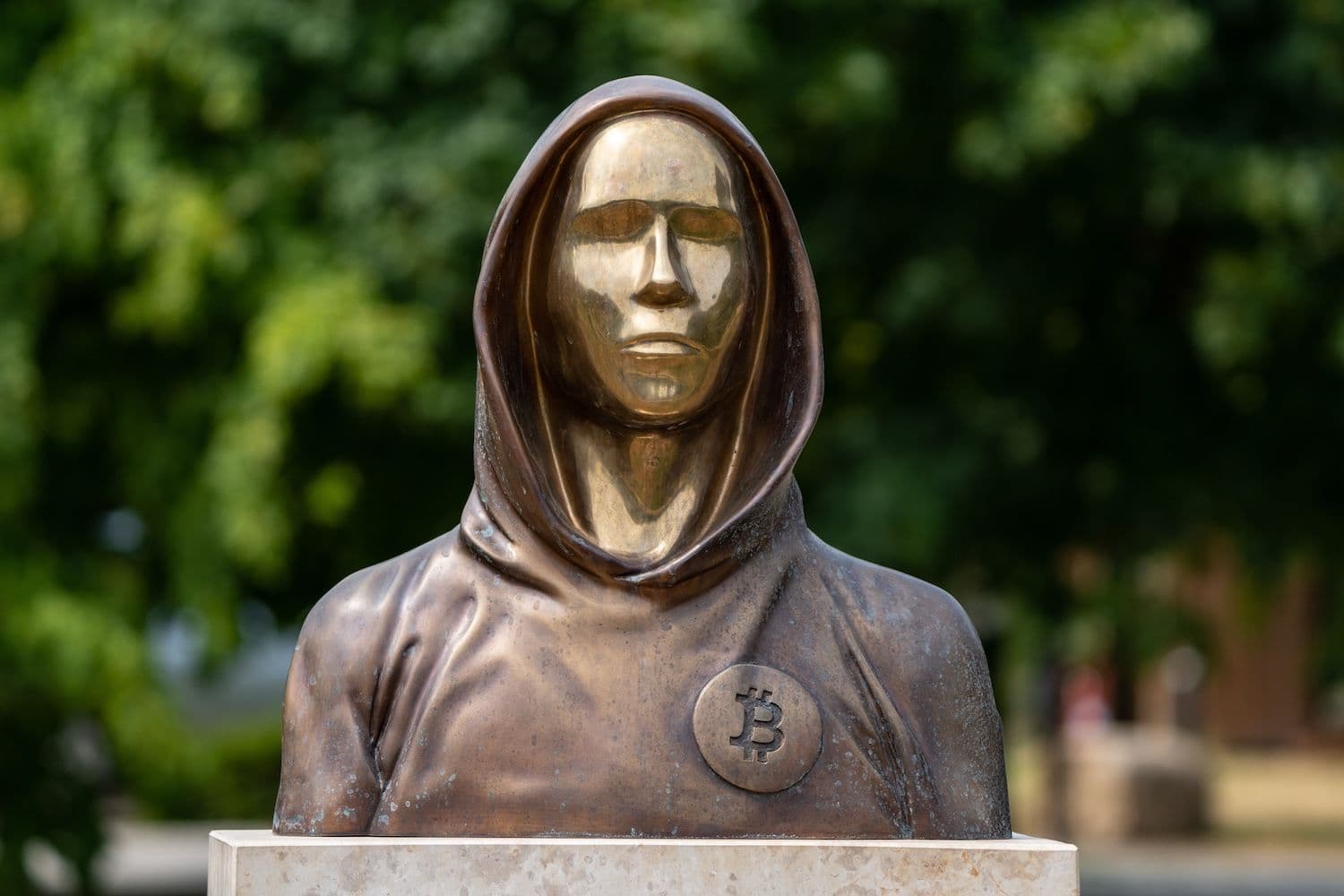
The theory revives a long line of guesses about who built Bitcoin. Satoshi Nakamoto published the white paper in October 2008, mined the network from January 2009, and then vanished from public forums in April 2011, leaving roughly 1 million untouched coins.
The search has drawn mainstream press for years. A 2014 Newsweek cover story named California engineer Dorian Nakamoto, who denied any link.
A recent New York Times investigation pointed at British cryptographer Adam Back, who has also denied being Satoshi.
Wired and HBO have since floated candidates ranging from cryptographer Nick Szabo to computer scientist Hal Finney.
None has been confirmed, and Satoshi's identity remains one of the internet's enduring puzzles.
Read Next: Bitcoin Inflows To Binance Hit 2020 Lows, Signaling Tighter Supply Ahead


