

A single-session net inflow of $378 million into U.S. spot Bitcoin ETFs on May 4 ended a bruising late-April outflow streak, with Fidelity FBTC contributing $213 million and Bitwise BITB adding meaningfully to the reversal alongside BlackRock IBIT’s $284 million. The flip from net exits to net accumulation in one session signals that the forced selling that defined April’s final days has largely been absorbed. For BTC price structure, the shift points toward institutional exhaustion, resolving – not into capitulation, but into a base.
Bitcoin is currently trading at $79,854, holding just below the psychologically significant $80,000 threshold. May opened with $629 million in total ETF net inflows on its first Friday, extending the two-month recovery trend that has now returned $3.29 billion in aggregate institutional inflows to the space. That follows a period in which BTC dropped from over $100,000 to nearly $60,000, and ETFs shed $6.38 billion between November 2025 and February 2026.
Fidelity and Bitwise Now Carry the Recovery’s Weight
The current inflow cycle is not concentrated in one fund. FBTC and BITB have emerged as co-anchors of the recovery, with IBIT reinforcing rather than leading – a contrast to earlier phases where BlackRock’s product dominated the directional signal. IBIT itself had been the headline outflow driver during the April drawdown, shedding $150.40 million in a single session on April 27, which underscores how much of the current recovery depends on Fidelity and Bitwise sustaining their pace.
Cumulative net inflows across all 11 U.S.-listed spot Bitcoin ETFs now stand at $58.72 billion since the January 2024 launch, according to SoSoValue. That figure remains $2.47 billion below the October 2025 peak of $61.19 billion – the same month BTC hit its lifetime high above $126,000. The gap is not alarming on its own, but it is a precise measure of how incomplete this recovery remains. As the analyst framing the flow data put it: “The recovery in ETF flows is real but incomplete. Whether it gains enough momentum remains to be seen in the days ahead.”
April delivered $2.44 billion in net inflows – the strongest monthly total of the year – with institutional inflows broad-based across products rather than concentrated. That momentum carried directly into the $378 million single-session reversal that opened May. A three-session streak in early 2026 had already flagged ARK 21Shares and Bitwise as secondary engines beyond the BlackRock-Fidelity duopoly, a pattern now reinforcing itself.
Can Bitcoin Hold $80,000 as Bitcoin ETF Inflows Rebuild?
BTC is compressing against the $80,000 level, a zone that has functioned as both support and resistance across multiple test cycles since the post-halving correction began. The $79,800–$80,200 band is the immediate decision point: daily closes above it, with sustained ETF inflow confirmation, would shift the technical structure constructively. Without that, price risks remaining in a wide consolidation range anchored by the BTC price floor established during the February lows near $60,000.
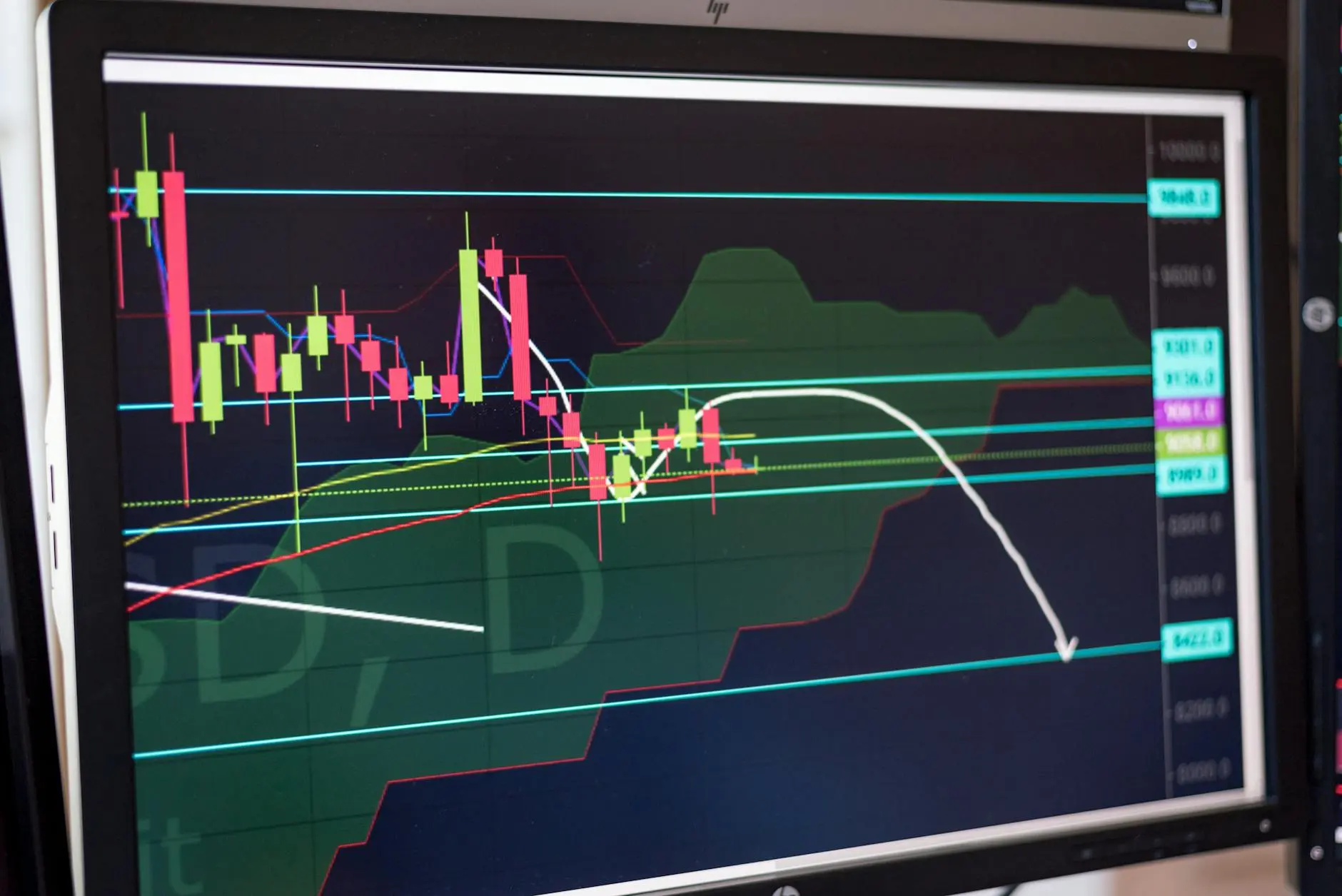
Bull case: FBTC and BITB sustain inflows above $200 million combined per session through mid-May, BTC reclaims $80,000 on a daily close, and cumulative ETF net inflows recover the $61.19 billion October peak within four to six weeks – opening a technical path toward $90,000 as the next structural target.
Base case: Inflows remain positive but uneven, BTC consolidates between $76,000 and $82,000 through late May, and the recovery in institutional inflows continues at the pace set by March’s $1.32 billion and April’s $2.44 billion – gradual, not explosive.
Bear case / Invalidation: A daily close below $74,500 accompanied by two or more consecutive sessions of net ETF outflows would invalidate the current floor thesis and reopen downside toward $68,000, where the next meaningful on-chain support cluster sits.
Why the Structural Signal Matters Beyond the Flow Number
Veteran trader Peter Brandt has framed the current period as a prolonged bottoming phase expected to extend until September or October 2026, with his $250,000 BTC projection timed for late 2029, based on the historical 16-to-18-month bull-market peak window following a halving. That timeline is consistent with the incomplete nature of the current crypto market recovery: two months of positive inflows are a necessary, but not sufficient, condition for a structural bottom.
What the May 4 session demonstrates is that institutional inflows have not structurally exited the Bitcoin ETF space. The $6.38 billion outflow period compressed BTC and reset positioning; the $3.29 billion recovered in two months shows demand is returning at a measured pace. Bitcoin ETFs have now recorded their highest monthly inflows since October, a data point that separates this recovery from a simple dead-cat bounce.

Whether the gap to October’s $61.19 billion peak closes before year-end depends on BTC holding current levels and FBTC-BITB inflow leadership persisting into the back half of May. That volume figure matters – conviction without volume is just positioning noise. Mid-May SoSoValue data will be the next clean read on whether the recovery is broadening or stalling at the current pace.


