

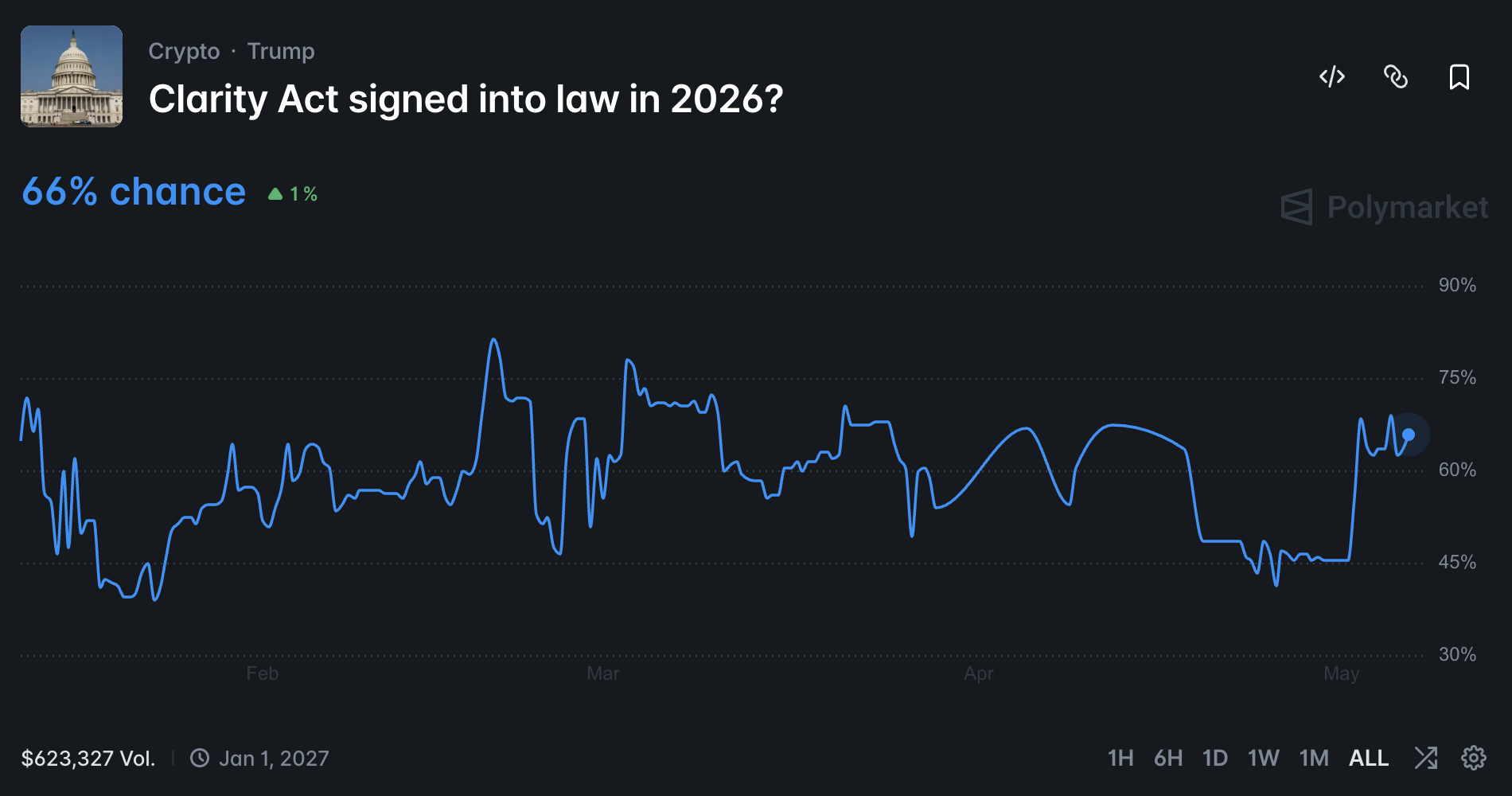
Polymarket’s probability on the CLARITY Act becoming law in 2026 surged to 66% as of May 5, up 22 percentage points in four trading days – a move driven by the finalization of the bill’s stablecoin yield compromise and Senate Banking Committee signals that markup is imminent.
That is not a sentiment reading; it is institutional desks marking the probability of a structural CFTC vs SEC jurisdictional reset above the threshold where product pipelines and custody decisions get revised.
(SOURCE: Polymarket)
At 66%, the Clarity Act transitions from a political variable to a base-case planning assumption for compliant capital. That matters because it is precisely the level at which regulated institutions, asset managers, prime brokers, and custody banks begin adjusting product eligibility screens rather than waiting for final passage.
The SEC-to-CFTC oversight shift embedded in the FIT21 framework would reclassify a broad set of altcoins as digital commodities, removing the securities-law overhang that has kept institutional allocators sidelined from the majority of the top-50 token market.
(SOURCE: TradingView)
FIT21 and the Clarity Act: What the Jurisdictional Shift Actually Changes
FIT21 introduces a decentralization test to classify digital assets. If a blockchain meets a specified decentralization threshold, its assets would fall under CFTC jurisdiction as digital commodities instead of SEC oversight as securities.
This classification allows CFTC-regulated assets to be listed on commodity exchanges and used in regulated products without SEC registration.
Currently, the SEC’s enforcement actions, particularly following the 2023 lawsuits against Coinbase and Binance, have categorized most altcoins as unregistered securities, creating uncertainty that hinders institutional adoption beyond Bitcoin and Ethereum.
FIT21 aims to establish a clearer regulatory framework and has recently resolved contentious provisions around stablecoin yields, allowing rewards linked to user activities while banning yields equivalent to bank deposit interest to address banking concerns.
Following the announcement, Circle’s stock surged by more than 20%, reflecting the significance of the resolution for its USDC program. Regulators will have a year post-passage to define qualifying activities.
来た!これは、実質的な資金の解放を意味しますね。「暗号資産市場構造法案(FIT21)」への署名は、事実上の「クラリティ法案」の機能を内包して、完全なQFS起動につながるんじゃないかしら? https://t.co/hKp1lwjsJT
— はちみつ (@b0OubXpfLd3HNEj) May 6, 2026
Why Institutional Crypto Positioning Is Moving Before the Vote
Prediction market trajectories indicate institutional repositioning, moving from 46% on May 1 to 64% on May 2, following Punchbowl News’ report on a stablecoin deal, and reaching 68% by May 5.
A Kalshi market for a 2026 crypto market structure law trades at 72%, indicating a consensus across platforms. Sen. Tim Scott signaled that a committee vote on the bill would take place on May 1.
This is crucial as institutional product pipelines typically take 6 to 12 months to develop. High passage odds at 68% suggest that firms are now considering preliminary filings.
Blockchain Association CEO Summer Mersinger emphasized that resolving the stablecoin yield question paves the way for legislation.
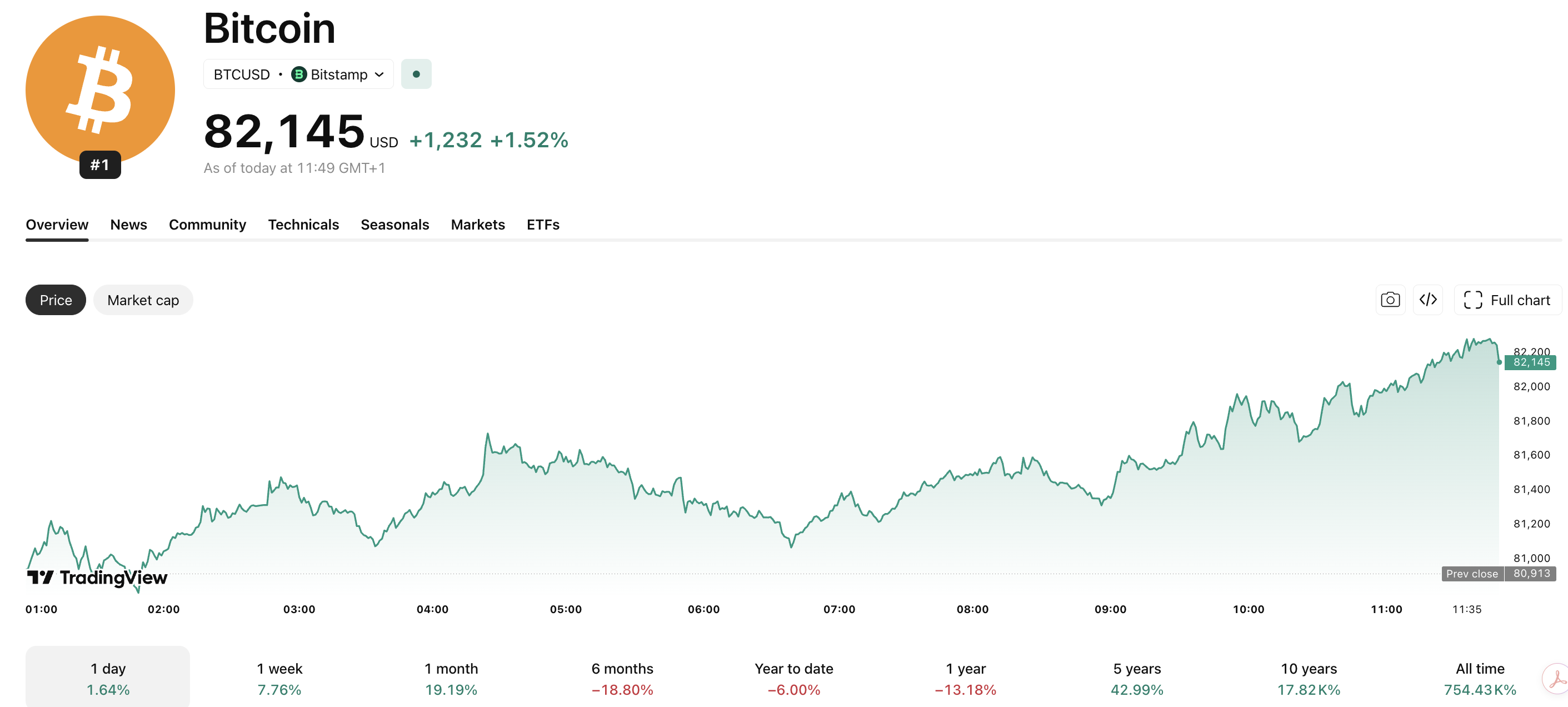
Bitcoin has surged past $82,000 amid this regulatory optimism, reflecting a shift of capital from BTC to higher-beta assets that could benefit from regulatory changes.
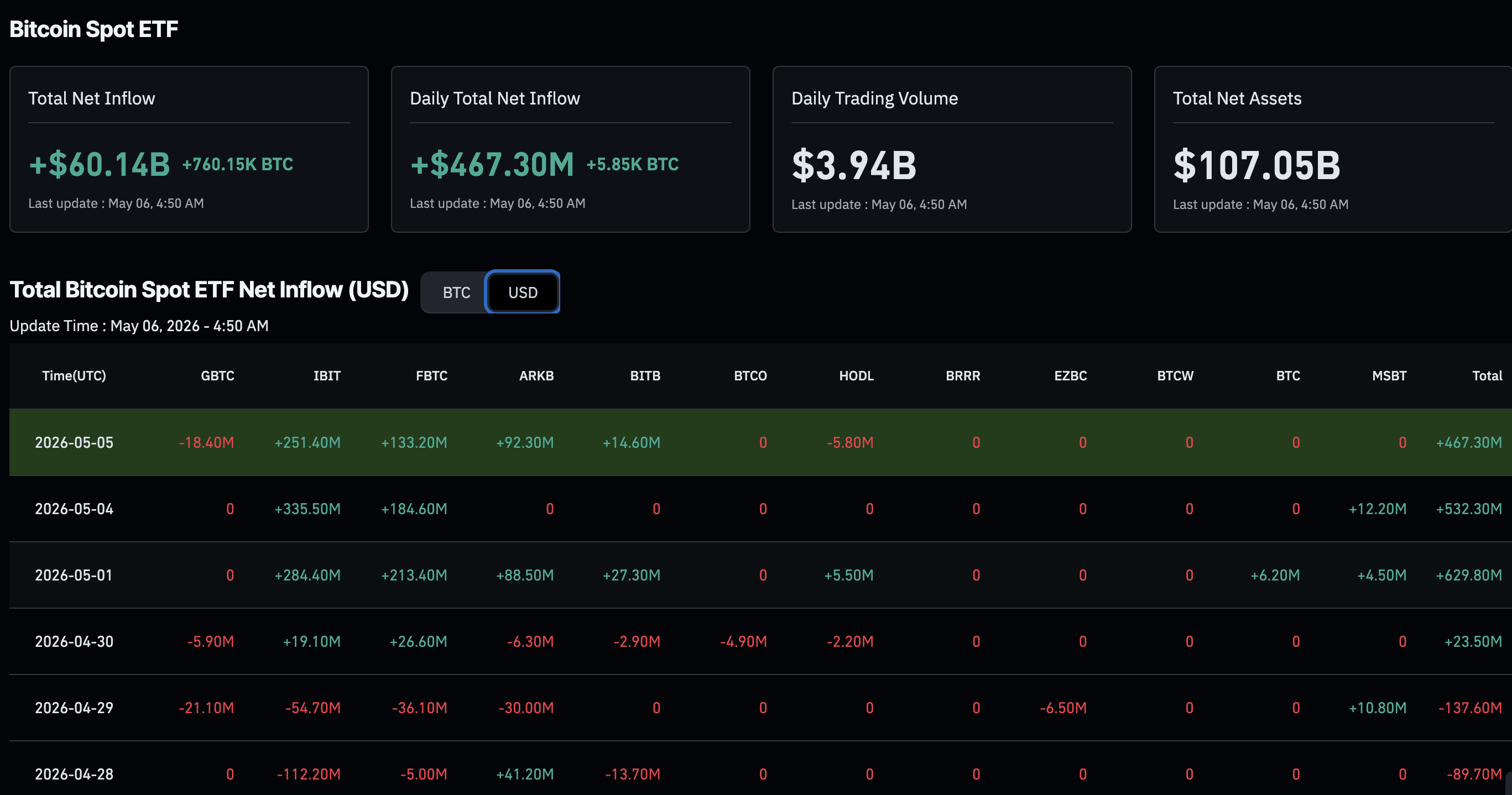
Parallel capital flows highlight this trend, with BlackRock’s European Bitcoin ETP surpassing $1.1Bn in AUM, demonstrating strong global demand for regulated products when the regulatory environment allows access.
(SOURCE: CoinGlass)
DISCOVER: Next Crypto to Explode in 2026
ETH, SOL, ADA: What Commodity Status Would Actually Mean for Altcoin Markets
FIT21’s decentralization test primarily targets major proof-of-stake layer-1 tokens like Solana, Cardano, Avalanche, and, to a lesser extent, Polygon.
Ethereum’s implicit commodity status, established through the SEC’s 2024 ETH ETF approvals, would gain formal classification under FIT21, providing legal certainty for products.
For SOL and ADA, achieving commodity status would eliminate compliance barriers for US registered investment advisers, who currently face SEC securities designation risks.
This CFTC classification would enable futures contracts, allow custodians to offer them, and expand the ETF market beyond BTC and ETH, potentially unlocking access to around $30 trillion in US-managed assets.
The altseason theory tied to FIT21 suggests that institutional capital could rotate into these newly classified altcoins, with traders speculating on the timing of this shift.


