

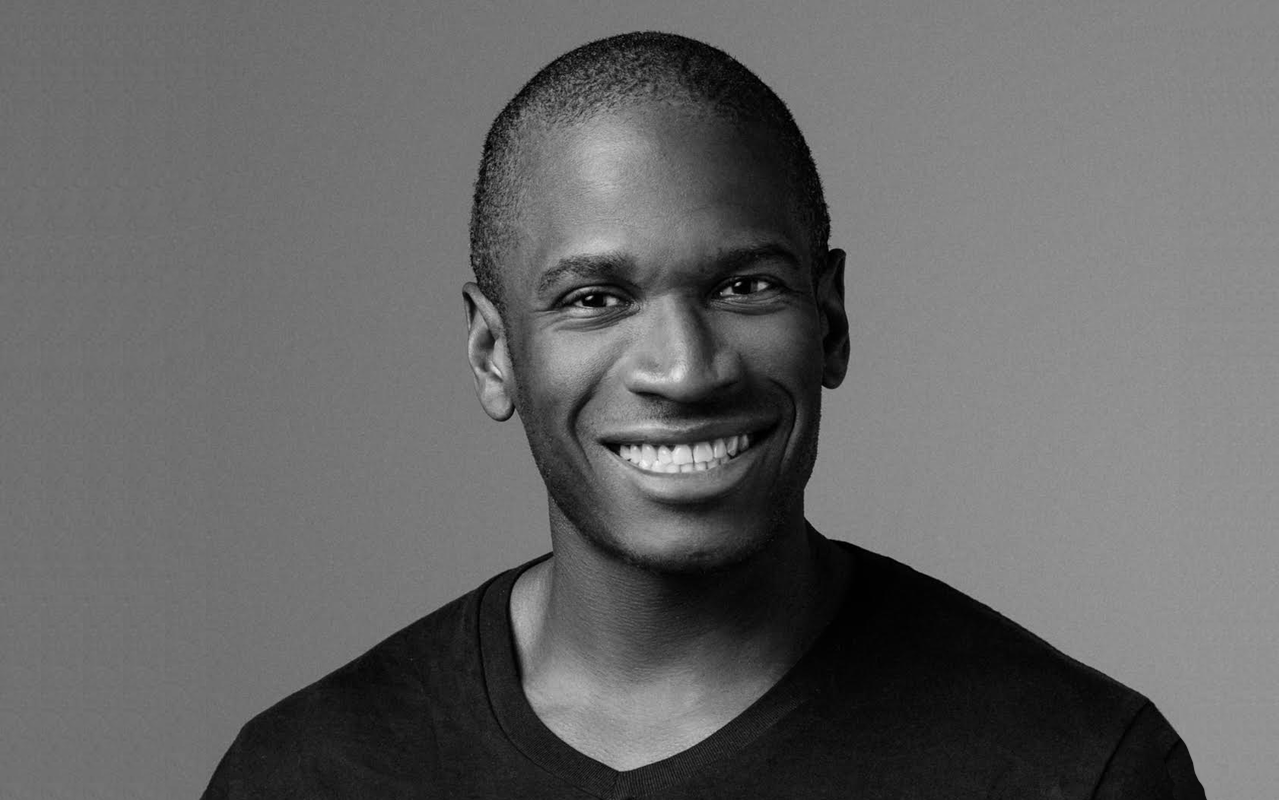
Arthur Hayes explains the structural reason most crypto tokens only go down and why Hyperliquid's model is the exception that proves the rule.
Key Takeaways:
Most tokens fail because protocol revenue never reaches token holders.
VC-backed projects create forced selling pressure from day one of listing.
Hyperliquid returns 97% of revenues to buy back its own token.
Crypto investors have matured – cash flows to token holders now matter.
Arthur Hayes has been advising crypto projects long enough to watch the same pattern repeat. A team raises money, launches a token, and within months the price is lower than the listing price. Most people attribute this to market conditions, bad timing, or weak sentiment. Hayes has a more specific diagnosis.
“You do not give any of the economic value you created at the protocol level back to the token holders.” he says
That’s the sentence that explains most of crypto’s graveyard. A protocol generates real revenue, trading fees, lending spreads, protocol income, and none of it flows to the people holding the token. Instead, the token exists purely as a vehicle for early investors and the team to exit. And those early investors aren’t villains. They have fiduciary duties to their own LPs. When their lockup ends, they sell. They have to.
In his words:
When you list your TGE, that’s the maximum price your token is ever going to receive.
At the moment of listing, the token has maximum hype and minimum sell pressure. Every subsequent day adds more unlocks, more VC distribution, and more team vesting. There’s no mechanism pulling the other direction, no buybacks, no revenue sharing, no reason for price to go anywhere but down. The tokenomics are built for extraction, not for holders.
Hayes has had this conversation with dozens of projects he advises. His recommendation, unlock tokens, return value to holders, align incentives, consistently gets rejected for the same reason. The VC on the cap table doesn’t want the model to work that way. Large funds need their tokens to vest and distribute on schedule. Revenue going to token holders instead of staying in the treasury doesn’t fit the playbook.
“No, no, no, we can’t do that. I’m like, okay, well then good luck. Your token is going to zero.” he suggests.
The projects that followed the old playbook, raise from brand-name VCs, list with a massive overhang, let the market figure out the rest, performed exactly as the structure predicted. Down only.
Why Hyperliquid is different
Hyperliquid made a different set of decisions from the start. No large VC round. No institutional overhang sitting above the market waiting to distribute. The team kept a meaningful allocation, Jeff and the team need to get paid for what they built, but the protocol committed 97% of its revenues to buying back HYPE from the open market.
That’s not a promise. It’s a mechanism. The Assistance Fund runs automatically on trading fee revenue, and Hyperliquid generates serious trading fee revenue because exchange fees are, as Hayes puts it, the perfect killer app for crypto. The buyback isn’t discretionary. It runs as long as the exchange runs.
The result is the opposite of everything described above. Instead of a waterfall of selling pressure from investors who need DPI for their LPs, you have a protocol that is structurally buying its own token with real revenue from real activity. Price goes up not because of narrative but because supply is being removed from the market with cash.
Most teams don’t copy this model not because it doesn’t work but because they can’t. The VC on the cap table won’t allow it. The fundraising structure they chose on day one locked them into the extractive model before the token ever launched.
Arthur Hayes: Most Tokens Fall Because Projects Pocket Protocol Revenue
On May 23, 2026, BitMEX co-founder Arthur Hayes @CryptoHayes stated on the What Bitcoin Did podcast that most crypto projects fail to return the economic value created at the protocol level to token… pic.twitter.com/fk1xBvRgZi
— Wu Blockchain (@WuBlockchain) May 27, 2026
What this means for crypto investors
Hayes goes back to 2017 as the starting point of the experiment, ICOs, then IEOs, then IDOs, then the current VC-backed TGE model. Each iteration promised something fairer and produced the same outcome. Investors have spent nearly a decade learning what doesn’t work.
He believes that “we as crypto investors have matured. And finally, we care about cash flows coming to us as token holders, however that happens.”
That maturity is the real shift. The brand-name VC on the cap table used to be enough. A polished white paper used to be enough. A hundred million dollar pre-seed round used to move markets on its own. None of it is enough anymore. What investors are asking now is simpler and harder to fake: does holding this token make me money? Not from selling to someone else at a higher price, from the protocol itself generating value and returning it.
Hyperliquid answered that question clearly. Most of the market still hasn’t.


