

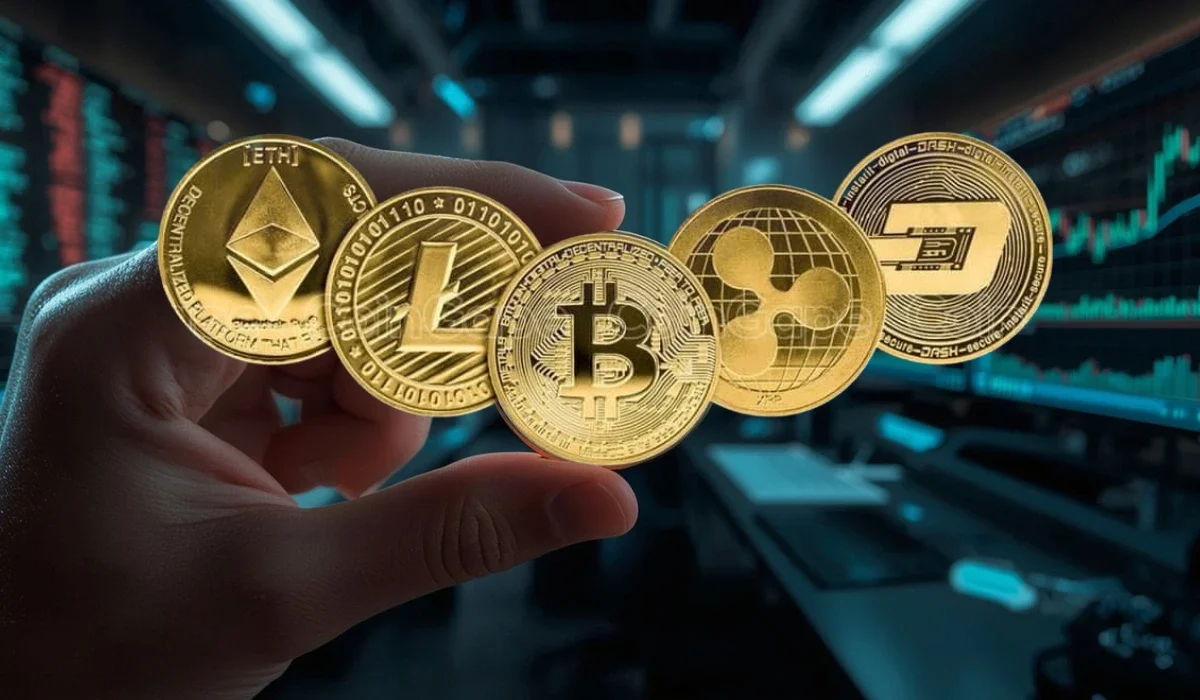
Maximum supply refers to the maximum number of coins or tokens that will ever exist for a given cryptocurrency. It is predetermined right at the launch of a decentralized protocol and is a key factor in determining the asset’s scarcity and long-term value. Maximum supply is hard-capped in most cases. That means, in no case can the protocol mint or mine more coins than the maximum supply. If a token does not have a maximum supply, the token’s issuance can continue indefinitely.
Key Aspects of Maximum Supply
The key aspects of maximum supply are explained here.
- Scarcity and Value: Maximum supply is crucial for ensuring the scarcity of an asset. This is because no new coins can be minted beyond the capped maximum supply. For instance, the maximum supply of Bitcoin is capped at 21 million, which means there are only 21 million Bitcoins in existence, and no new coins can be mined or minted beyond this limit. Maximum supply, thus, creates a digital scarcity, which will help in value appreciation in the long term if the demand for the asset remains strong.
- Inflation Control: Maximum supply acts as a check against inflation. It also prevents the devaluation of the coin from overproduction.
- Protocol-Defined: Maximum supply is encoded into the Genesis block of the concerned protocol and is hard to alter.
- Investor Insight: Maximum supply will give investors an insight into the future potential and market capitalization potential of the coin, as well as point to the long-term economic model of the coin.
Types of Maximum Supply
Cryptocurrencies feature different maximum supply models that determine their scarcity and value over time. These primarily fall into fixed and non-fixed categories, with some variations related to deflationary mechanisms.
- Fixed/Capped Maximum Supply: In this case, the maximum supply would be predetermined and cannot be changed unless protocol changes are agreed upon. For example, Bitcoin’s maximum supply is 21 million, and Litecoin’s maximum supply is 84 million.
- Dynamic/Uncapped Maximum Supply: For coins with an uncapped or dynamic maximum supply,teh maximum supply is not fixed, allowing ongoing issuance based on network rules. For example, Ethereum and Dogecoin do not have a fixed supply.
- Deflationary Variations: To promote a deflationary effect, some tokens with a fixed supply will incorporate burning to reduce circulation over time. Projects may burn tokens to achieve this effect.
An important thing to note about maximum supply is that there are certain cryptocurrencies that do not have a maximum supply. The number of coins for these currencies will increase indefinitely. Utility coins usually do not have a maximum supply because they are not limited by the number of coins, but by the number of users.
Maximum Supply versus Total Supply versus Circulating Supply
The table below compares and contrasts between maximum supply, total supply, and circulating supply in crypto.
| Feature | Maximum Supply | Total Supply | Circulating Supply |
| Definition | The theoretical, unchangeable cap on the total number of coins that can ever exist over the lifetime of the cryptocurrency. | The number of coins that exist right now, including those circulating and those locked in reserves, excluding burned tokens. | The total number of coins currently in circulation and available for trading in the market. |
| What does it include? | The total supply of coins, including those already in existence and those that will be mined or minted in the future. | Circulating supply and all locked or reserved tokens. | Coins in public hands and available on exchanges. |
| What does it exclude? | All tokens without any potential. | All burned tokens | Locked, reserved, or permanently burned tokens. |
| Main use | Used to assess long-term scarcity and inflation risk. | Used to assess potential future selling pressure and the current state of a project’s tokenomics. | Used to calculate current market capitalization and measure present liquidity. |
| Can it change? | No, it is fixed and cannot be changed. However, there is an exception. A major network change or hard fork is agreed upon by consensus. | Yes, it can be changed; it increases as new coins are minted/mined and decreases with token burning. | Yes, it constantly changes as new coins are issued or burned, or with the release of locked tokens. |
The Bottom Line
Maximum supply is an important metric to determine the value of a cryptocurrency. Depending on the purpose of the currency, the maximum supply will be capped or non-capped. The scarcity created by a fixed maximum supply will help in increasing the value of a coin. Burning of coins from the maximum supply of a coin with an uncapped maximum supply will help control inflation and keep checks on the coin’s supply. Maximum supply is an important metric to assess the long term risk of inflation of a currency. Therefore, it is an important metric that investors should consider before investing in a particular cryptocurrency.


