

The Taproot upgrade, which was implemented through a soft fork in 2021, brought increased transactional efficiency and privacy to Bitcoin. Additionally, Taproot has enabled new smart contract functionalities on Bitcoin, paving the way for the emergence of Ordinals and Bitcoin-native tokens like BRC-20 and Runes.
In this guide, you will learn about Bitcoin taproot addresses, how they work, and what you can do with them.
What Is a Bitcoin Taproot Address?
A Bitcoin Taproot address is a relatively new kind of Bitcoin address. Also known as Pay-to-Taproot (P2TR) addresses, it leverages the Taproot protocol to provide a more efficient mechanism for transacting with Bitcoin.
A Taproot address begins with the prefix “bc1p” and may also be referred to as a Bech32m address.
The Taproot upgrade was activated on the Bitcoin network in November 2021 and came with several improvements. One of the major enhancements is the inclusion of Schnorr signatures and Merkle trees. These technologies allow Taproot addresses to combine multiple scripts into a single output, shrinking the size of transactions and increasing privacy, as more complex transactions appear the same as simple transactions on the Bitcoin blockchain.
What’s more, the Taproot protocol has made the creation of digital assets on Bitcoin possible, providing a part of the technical foundation that enabled the development of Ordinals and other on-chain tokens on Bitcoin.
How Does a Bitcoin Taproot Wallet Address Work?
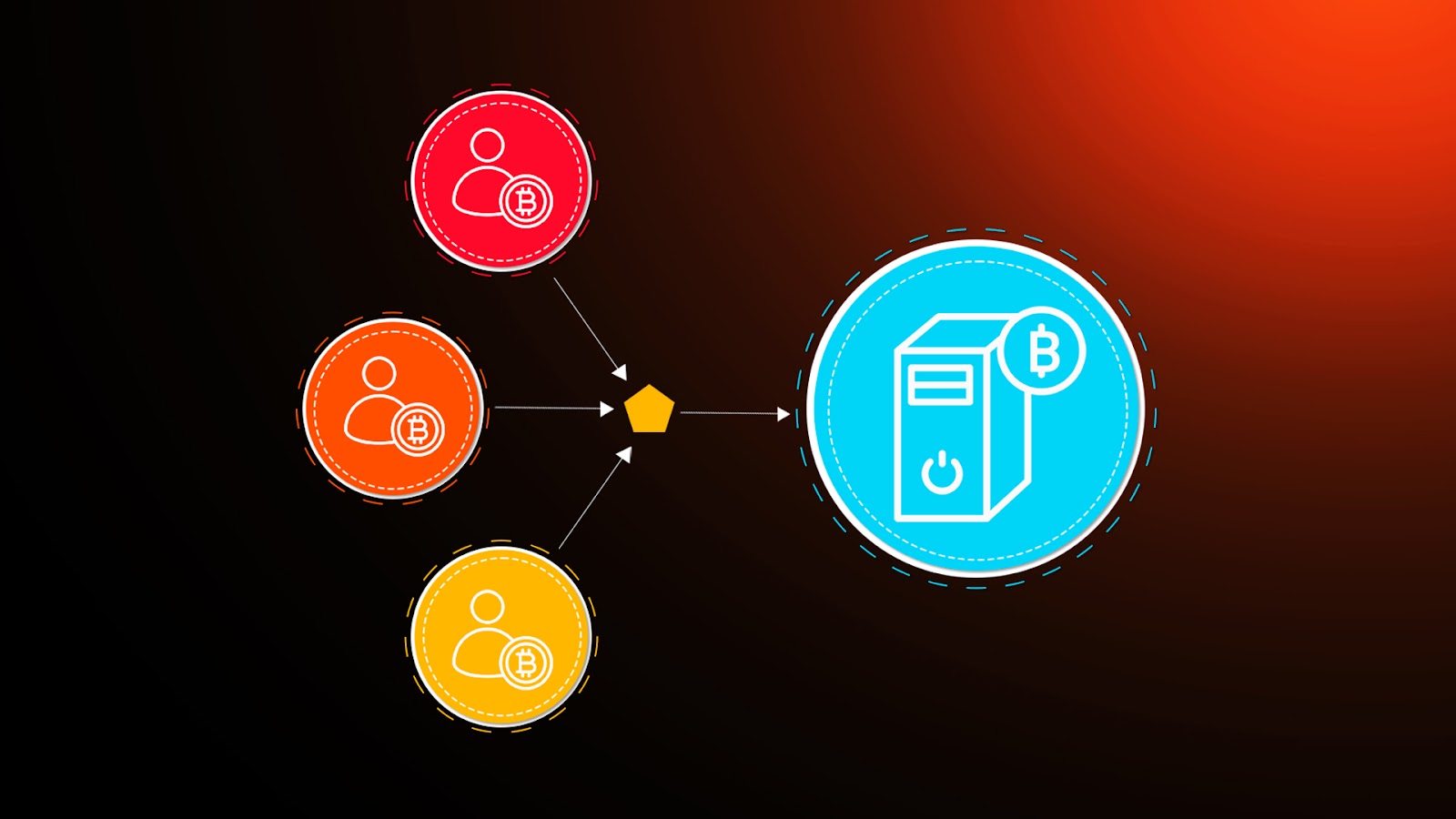
Taproot addresses present a mechanism where a number of scripts are compiled into a single efficient script. This can be done using Schnorr signatures, a system that allows you to bundle multiple signatures into one.
This aggregation helps compress the size of the transactions, thus making transactions cheaper and the network more capable.
When you send Bitcoin to a Taproot address, that specific transaction will be conducted using the Taproot protocol. This protocol employs Schnorr signatures and Merkle trees to develop a more condensed transaction structure.
Schnorr signatures enable signature compression, which means that multiple signatures of multi-signature transactions can be compressed into a single one. Similarly, Merkle trees allow you to encode more complex scripts, with only the parts of the script that are necessary to reveal being revealed, thus increasing privacy.
Taproot addresses support advanced transaction types, such as multisig and more intricate smart contracts, without revealing all transactions on the blockchain. This guarantees that all transactions, even complex ones, will have a standard format, enhancing transactional privacy.
What Can You Do With A Bitcoin Taproot Address?
Taproot addresses are necessary if you want to interact with Bitcoin Ordinals and the growing on-chain Bitcoin asset ecosystem.
For example, you can use a Taproot address for inscribing data onto satoshis, thanks to its ability to implement conditions that prevent the spending of Ordinal satoshis as transaction fees.
Additionally, Taproot addresses can be used to send and receive Ordinals and other Bitcoin-native assets, such as BRC-20 tokens, Runes, and Rare Sats.
Multi-signature transactions are also more efficient and less data-intensive when utilizing Taproot addresses. This makes these addresses ideal for transactions that necessitate multiple parties to sign their approval.
Taproot addresses also enable you to introduce more conditions for approving a transaction. This aids in customizing the security setup of a transaction, particularly when funds must undergo various proofs before release.
Moreover, Taproot addresses are ideal for making single-signature and multi-signature transactions indistinguishable from each other, thereby enhancing transactional privacy on the Bitcoin network.
Get Your Bitcoin Taproot Address With Xverse
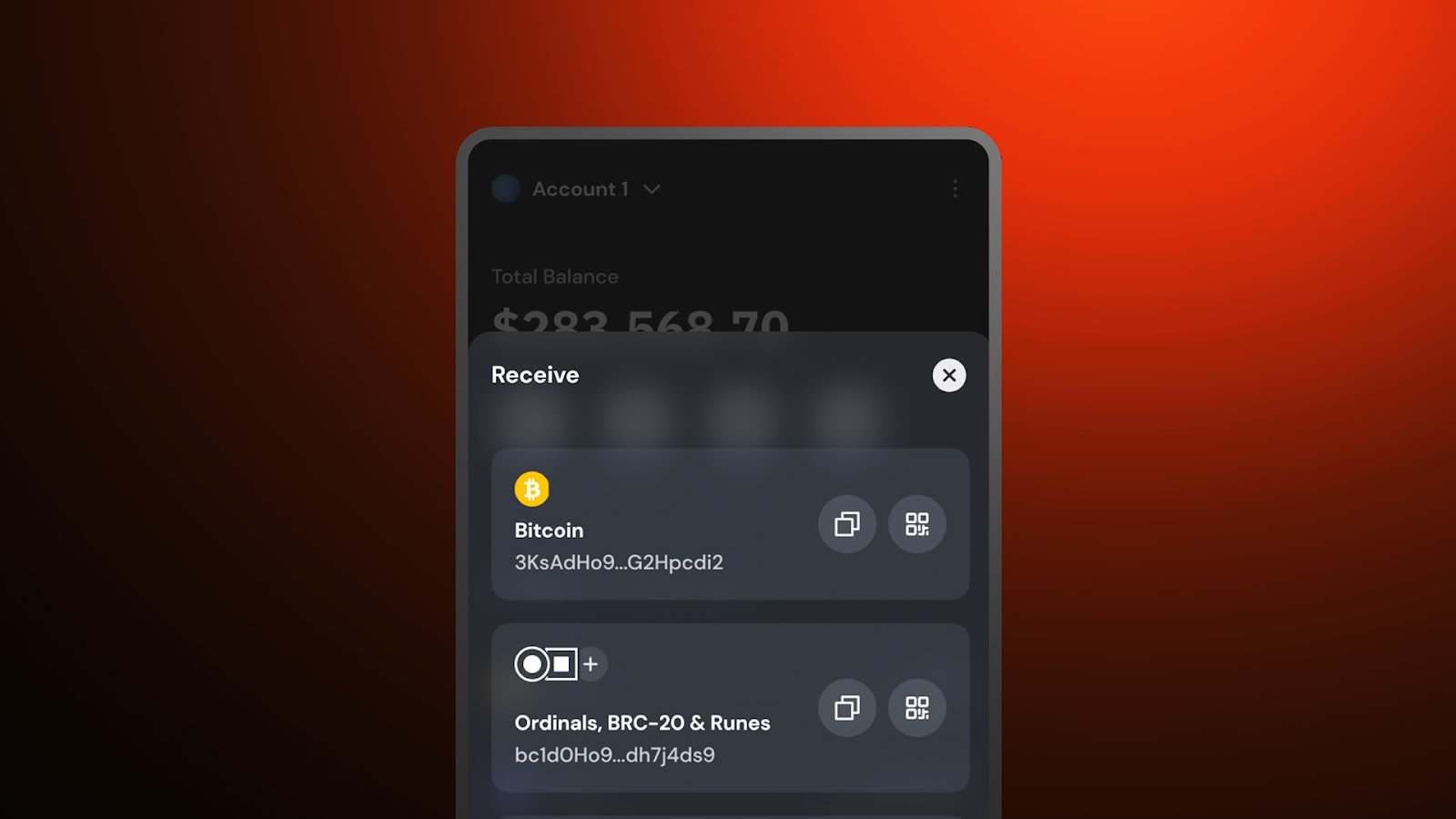
Xverse is a leading Bitcoin wallet built for Web3 that allows users to generate and manage Taproot addresses.
Obtaining a Taproot address through Xverse is very simple, allowing you to harness all the benefits that come with the Taproot protocol.
To get a Taproot address with Xverse, follow these steps:
Xverse is a user-friendly Bitcoin wallet that supports Taproot and has implemented a suite of features for storing, managing, and trading Ordinals, Rare Sats, Runes, and more.
Frequently Asked Questions
How do you get a Taproot wallet address?
To obtain a Taproot wallet address, you need a Bitcoin wallet that supports Taproot, such as Xverse. First, download the wallet, create or import a wallet, and then go to the “Receive” tab and choose “Ordinals, BRC-20 & Runes” as the address. Your Taproot address will be generated automatically.
What is the difference between Taproot and SegWit addresses?
A Taproot address is a Pay-to-Taproot (P2TR) address, while a SegWit address is a Pay-to-Witness-Script-Hash (P2WSH) address.
Taproot addresses provide better privacy as complex transactions appear the same as simple ones. They also support signature aggregation, resulting in smaller transaction sizes and lower fees.
SegWit addresses are based on the idea of shrinking transaction size by segregating signature data but don’t offer the enhanced privacy and efficiency of Taproot.
Can you send Bitcoin to a Taproot address?
Yes. Taproot addresses support non-tap addresses since both are fully compatible. As such, you can conveniently send Bitcoin from a taproot wallet address to other types of addresses and visa versa.


