

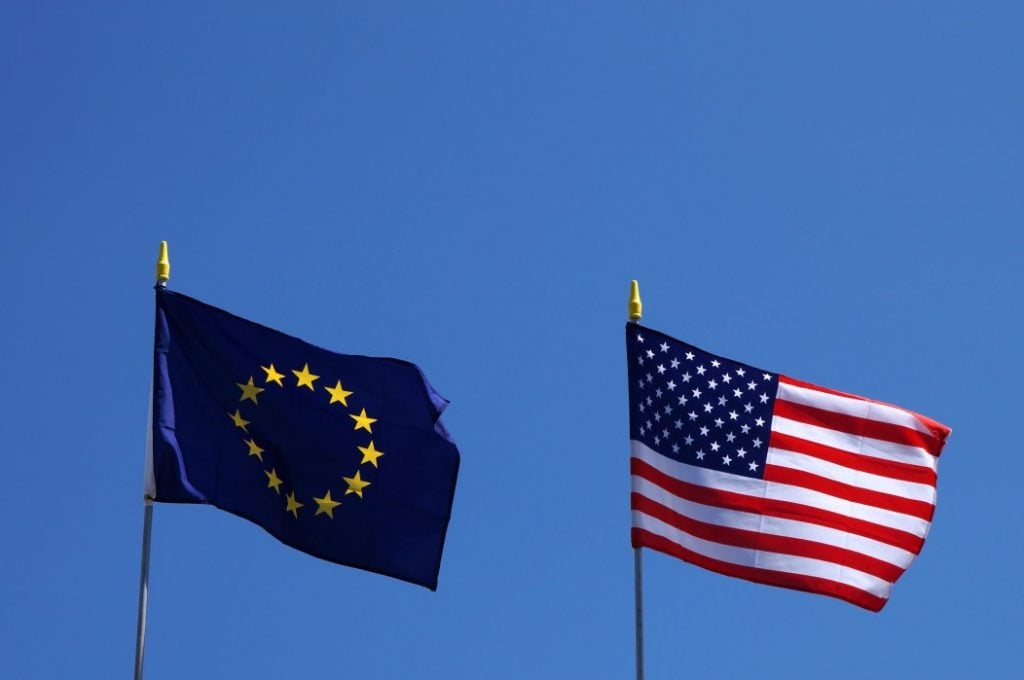
Europe is heading toward a renewed clash with America’s largest technology companies, as regulators in Brussels prepare to shift from writing digital rules to actively enforcing them.
The move is expected to test already fragile relations with the administration of Donald Trump, which has openly criticized Europe’s tech laws and warned of potential retaliation.
Key takeaways:
The European Union plans to intensify enforcement of its digital regulations in 2026.
US officials have warned that continued pressure on American tech firms could trigger trade retaliation.
Major technology companies are pushing back through lobbying and public criticism.
Several high-profile investigations and fines have already escalated tensions.
From lawmaking to enforcement
After years spent drafting sweeping legislation, officials at the European Commission say the focus is now shifting decisively toward compliance. The Digital Markets Act and the Digital Services Act are no longer theoretical frameworks — they are becoming active tools aimed at reshaping how dominant online platforms operate.
This enforcement phase carries real political risk. Members of Trump’s team have called for changes to the EU’s digital rulebook and warned that tariffs could follow if Silicon Valley companies continue to face regulatory pressure. European officials are keenly aware that aggressive action could inflame transatlantic trade tensions or complicate cooperation on issues such as Ukraine.
Quiet pressure on Big Tech
At the core of the EU’s strategy are its two flagship laws. The Digital Markets Act targets dominant “gatekeeper” platforms, forcing them to open their ecosystems to competitors. The Digital Services Act focuses on content moderation, fraud prevention, and transparency, requiring companies to take greater responsibility for what appears on their platforms.
Regulators involved in enforcement say much of the work happens out of public view. Rather than relying solely on headline-grabbing penalties, authorities often push companies to adjust their practices behind the scenes. That approach has already led Apple and Meta to make operational changes following earlier fines.
At the same time, Brussels has opened new investigations. Officials are examining whether Meta restricts access to WhatsApp for competing artificial intelligence developers. Google is under scrutiny over how it uses online material to train AI models, while separate probes are assessing competition in cloud computing services.
Some analysts believe the EU’s restrained public posture is deliberate. Fiona Scott Morton, an antitrust expert at Yale University, has described the approach as methodical, arguing that quieter enforcement can be more effective in the current political climate.
Transatlantic tensions spill into the open
Not all cases can remain low-profile. Regulators are weighing how aggressively to pursue Google over allegations that it favors its own services in search results, a case that could result in substantial fines for its parent company, Alphabet.
Tensions escalated last month when the Commission fined X, owned by Elon Musk, €120 million for transparency violations. The decision triggered sharp criticism from U.S. officials, while Musk publicly called for dismantling the EU.
The dispute deepened when Washington imposed visa restrictions on Thierry Breton and several others, accusing them of promoting censorship and pressuring American platforms. U.S. Secretary of State Marco Rubio said the move was aimed at countering what he described as a global censorship apparatus, warning that more individuals could be added to the list.
Pressure builds on both sides
Within Europe, lawmakers and advocacy groups are urging regulators to go further. Calls are growing for tougher action against X over illegal content and deeper scrutiny of TikTok, particularly over concerns about election interference. Others argue that competition enforcement in artificial intelligence remains too cautious.
Legal experts say the geopolitical backdrop has emboldened major tech firms. Damien Geradin, an antitrust lawyer who has worked on cases involving Google, noted that political pressure from Washington has made enforcement more difficult, giving companies greater confidence to push back through lobbying on both sides of the Atlantic.
Tech companies have not softened their stance. Google warned that EU investigations into its AI systems could slow innovation, Apple has called for the Digital Markets Act to be scrapped, and Meta has accused Brussels of unfairly targeting American firms while applying different standards to European and Chinese competitors.
Economists caution that retreating now would come at a cost. Mario Marinello of the Bruegel think tank warned that weakening enforcement would undermine Europe’s competitiveness. Meanwhile, Green Party lawmaker Alexandra Geese argued that current measures do not go far enough, warning that unchecked tech power poses a growing threat to democratic institutions.
As Brussels prepares to press ahead, the coming year is shaping up as a critical test of whether Europe can enforce its digital rules without triggering a broader political or economic confrontation with Washington.


