

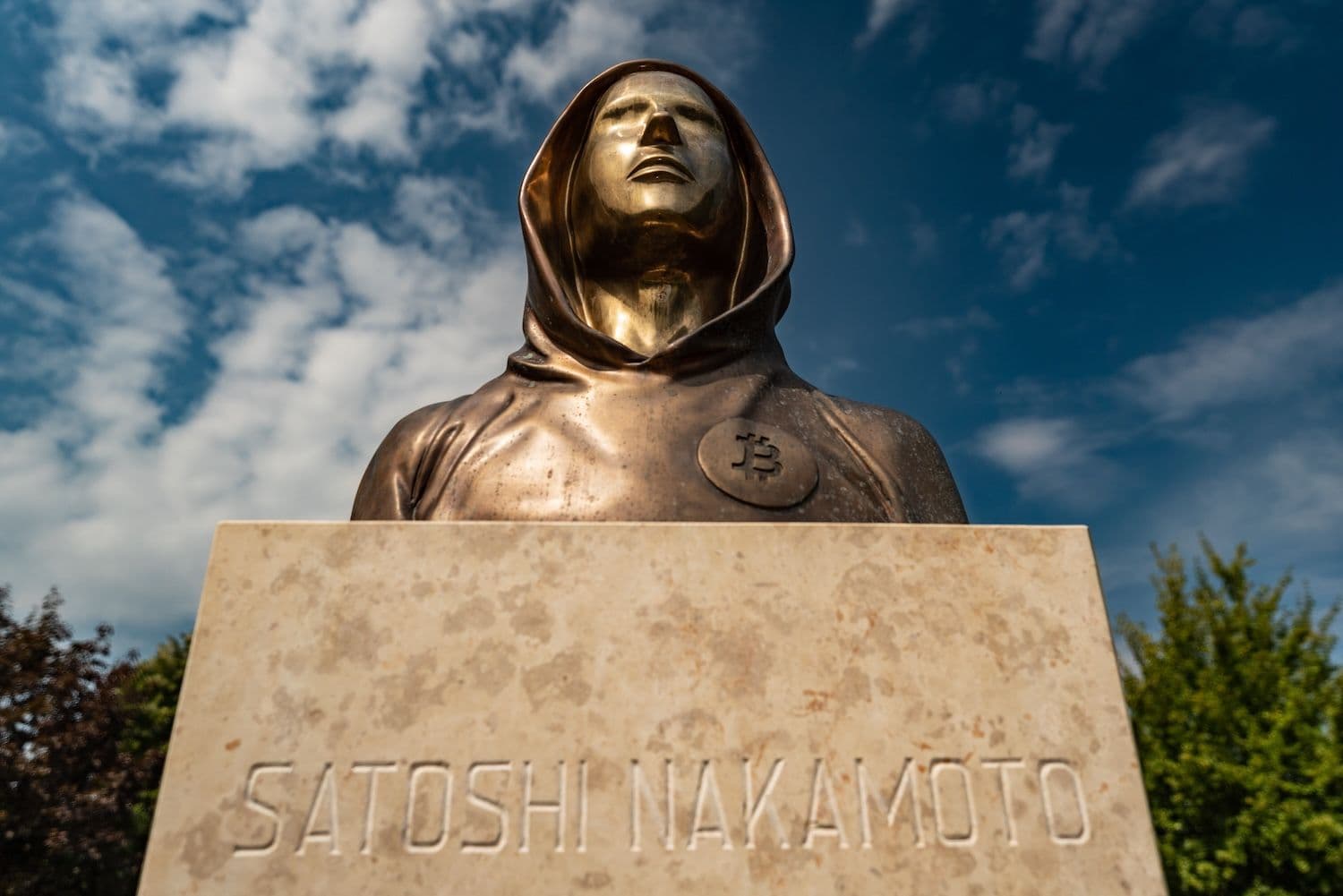
Adam Back, the cryptographer behind Hashcash, has torn apart the new Finding Satoshi documentary, calling its core claims about Bitcoin (BTC) mining patterns and the creator's holdings unreliable.
Patoshi Pattern Disputed
In a detailed post on X, Back rejected the documentary's reliance on the so-called Patoshi pattern, a statistical study of early block timestamps used to estimate that Satoshi mined 500,000 to 1 million Bitcoin.
Back wrote that 60% to 80% of the network's hashrate in the first year belonged to other miners, leaving the pattern lost in the noise.
He also dismantled the film's central argument that Satoshi never sold a single coin. If Satoshi did sell, Back argued, those sales likely came from later, more ambiguous coins where attribution becomes impossible.
Also Read: Anthropic's Mythos Pushes DeFi To Rebuild Security After 12 April Hacks
Documentary Backlash Grows
Back also flagged a timeline contradiction. The film names Hal Finney and Len Sassaman as co-creators, but Sassaman lacked C++ skills and never owned a Windows machine, both required to write Bitcoin's original code.
Other observers have echoed Back's skepticism, noting the documentary, produced over four years by William D. Cohan and Tyler Maroney, ignored evidence that disqualified its earlier suspects.
The renewed scrutiny matters because Bitcoin's pseudonymous creator controls roughly 1.1 million coins, more than 5% of total supply.
The Finding Satoshi film, released Apr. 22, follows an April 8 New York Times investigation by Pulitzer winner John Carreyrou that named Back himself as the strongest candidate, a claim he denied at the time and has continued to push back on since.
Read Next: Monad Trades Near $0.031 As High-Performance EVM Chain Builds Its Case Against Ethereum


