

The Senate Banking Committee has scheduled a markup meeting for May 14, 2026, to consider the Digital Asset Market Clarity Act of 2025, marking the most significant step since a January postponement.
The bill targets the $160Bn US stablecoin market, predominantly held by USDT and USDC. Contracts on Kalshi now show a 65% probability of the CLARITY Act passing by mid-2026, up from 28% in Q4 2025, and open interest has tripled to $2.4M following the markup announcement.
This markup session is crucial for formally amending the bill and advancing it towards a full Senate vote. With the White House aiming for a July 4 passage and 120 crypto advocacy groups pushing for Senate action, May 14 is a critical checkpoint.
Analysts predict that the passage could unlock over $100Bn in institutional capital, potentially leading to a 20-30% rally in Bitcoin as liquidity enters the market.
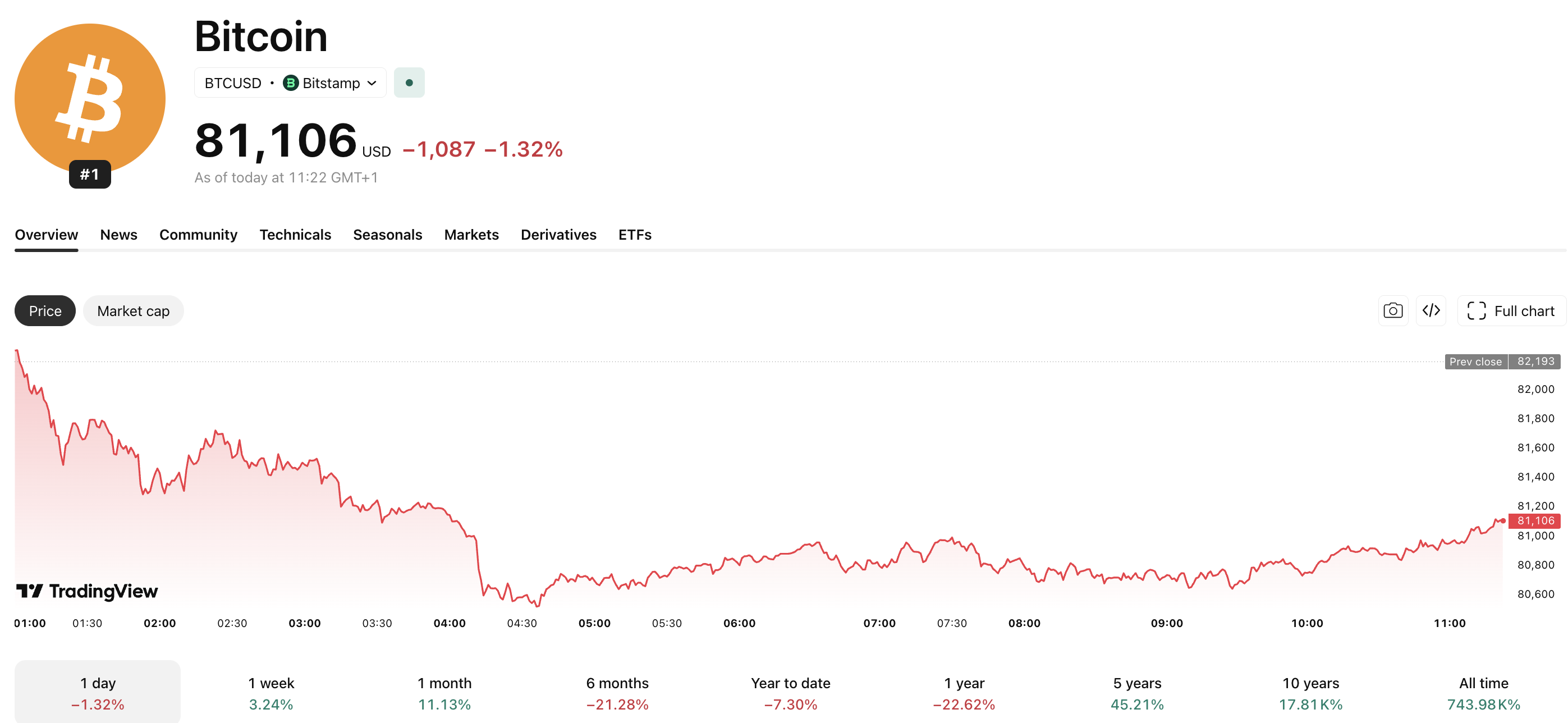
(SOURCE: TradingView)
CLARITY Act News: What the Senate Markup Process Actually Resolves
A markup session is when senators propose and vote on amendments to a bill before final passage. As of May 14, the CLARITY Act faces contested provisions, particularly the Title III framework that would allow federally chartered banks to issue stablecoins under specific capital standards.
Coinbase’s Chief Legal Officer, Paul Grewal, supports this framework as a bridge between on-chain markets and traditional finance.
The stablecoin yield clause, which affects issuers’ interest-bearing returns, led Coinbase CEO Brian Armstrong to withdraw support earlier this year, but crypto firms are now advocating for a compromise. The bill also addresses the SEC-CFTC jurisdictional dispute over non-security digital assets.
A coalition of 12 banking trade associations proposed a 20% cap on stablecoin issuer market share. Summer Mersinger, CEO of the Blockchain Association, highlighted the need for clear statutes to benefit consumers and businesses.
SENATE DEMOCRATS HOLD THE KEY TO CLARITY ACT VOTE
Several Democratic senators could determine the future of the CLARITY Act, Galaxy Research says.
The bill heads to Senate Banking Committee markup on Thursday.
Support from Democrats could significantly improve its odds on the… pic.twitter.com/UEzzf67hmS
— BSCN (@BSCNews) May 11, 2026
Why Institutional Liquidity Has Been Waiting for Exactly This Moment
The $160Bn stablecoin market primarily serves institutional needs, acting as a settlement layer for trading, collateral for DeFi lending, and a gateway for asset managers to access digital markets without direct crypto exposure.
Regulatory uncertainty regarding stablecoin issuer supervision, whether by the Fed, OCC, or state regulators, has hindered major financial institutions from developing products in this space.
Compliance teams can’t approve stablecoin usage without a clear regulatory status, and custody banks can’t create the necessary infrastructure.
An April letter noted that $450Bn in institutional funds are awaiting clearer regulations. According to research by Transak, bank-issued stablecoins like JPM Coin could capture 15% of the market under new oversight, a significant share currently held by offshore issuers.
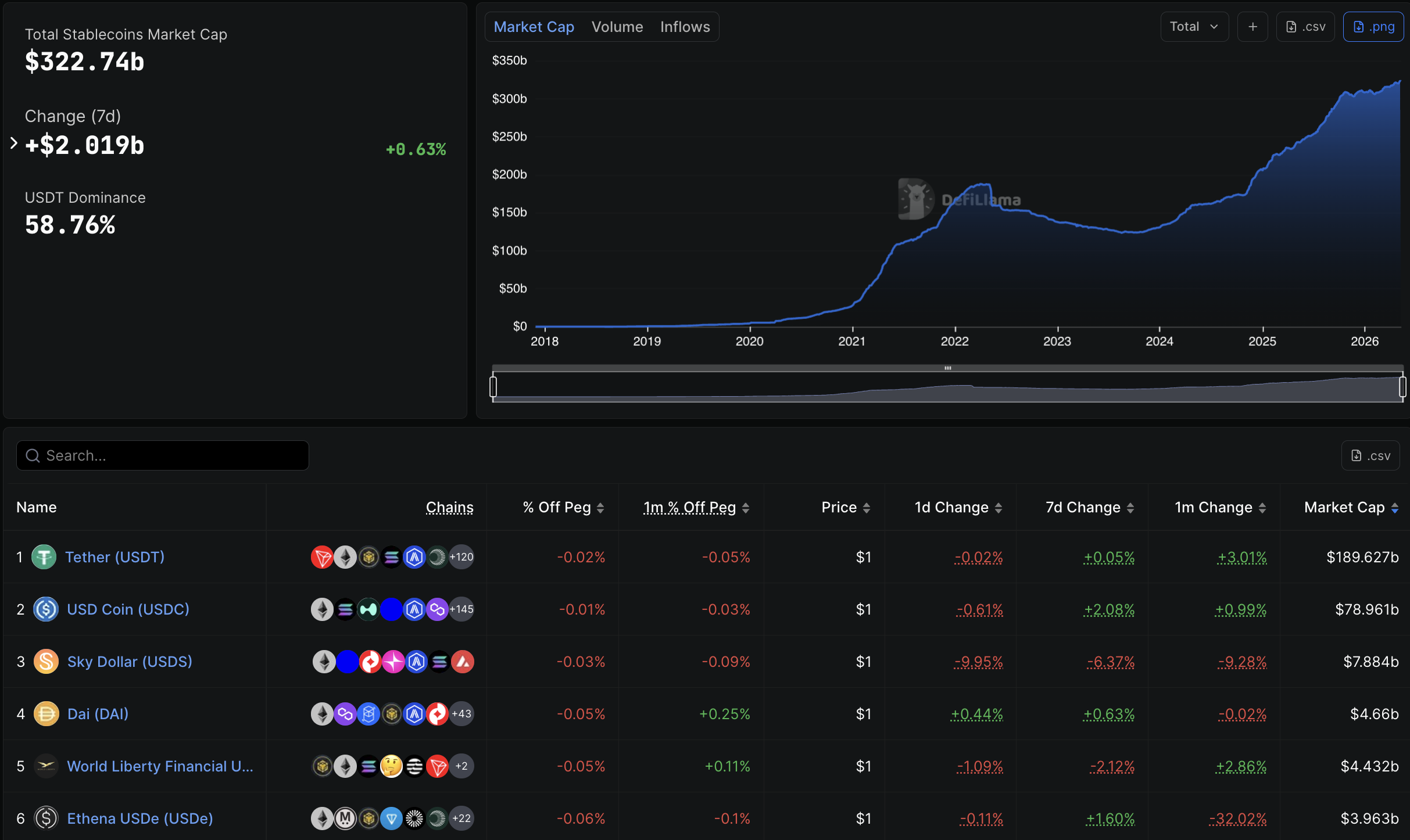
(SOURCE: DefiLlama)
Bull, Base, Bear: Three Paths for the Stablecoin Market From Here
Bull Case: The May 14 markup proceeds smoothly, the stablecoin yield compromise holds, and the banking coalition’s proposed market share caps are rejected or significantly narrowed. The Agriculture Committee wraps up its review by May 20, leading to a bipartisan vote in late May or early June, with a July 4 target for White House signing.
By Q4 2025, bank-issued stablecoins will enter the market under Fed oversight, and the $160Bn stablecoin market will double in 12 months as liquidity flows in, triggering various registered crypto product launches.
Base Case: The markup requires amendments to satisfy the banking coalition, delaying a Senate vote to late June or mid-July, missing the July 4 deadline but still clearing before summer recess. Institutional product development begins post-passage, with major players like Circle and Coinbase initiating compliance efforts. The $160Bn stablecoin market grows at a steadier pace as the regulatory path becomes clearer.
Bear Case: The banking coalition’s amendments undermine bipartisan support, stalling the bill in a 60-vote cloture impasse. Competing priorities are pushing consideration of the CLARITY Act past summer recess, reducing the likelihood of passage. Kalshi odds fall back to 28% seen in Q4 2025, halting institutional pipelines and leaving the $160Bn market dominated by offshore issuers.
The base case is the most likely outcome due to bipartisan support and White House involvement. Key dates to watch include the May 14 markup, any banking coalition statements on amendments, and the Agriculture Committee review timeline. The resolution of the stablecoin yield clause is critical for maintaining the 60-vote coalition’s integrity.


