

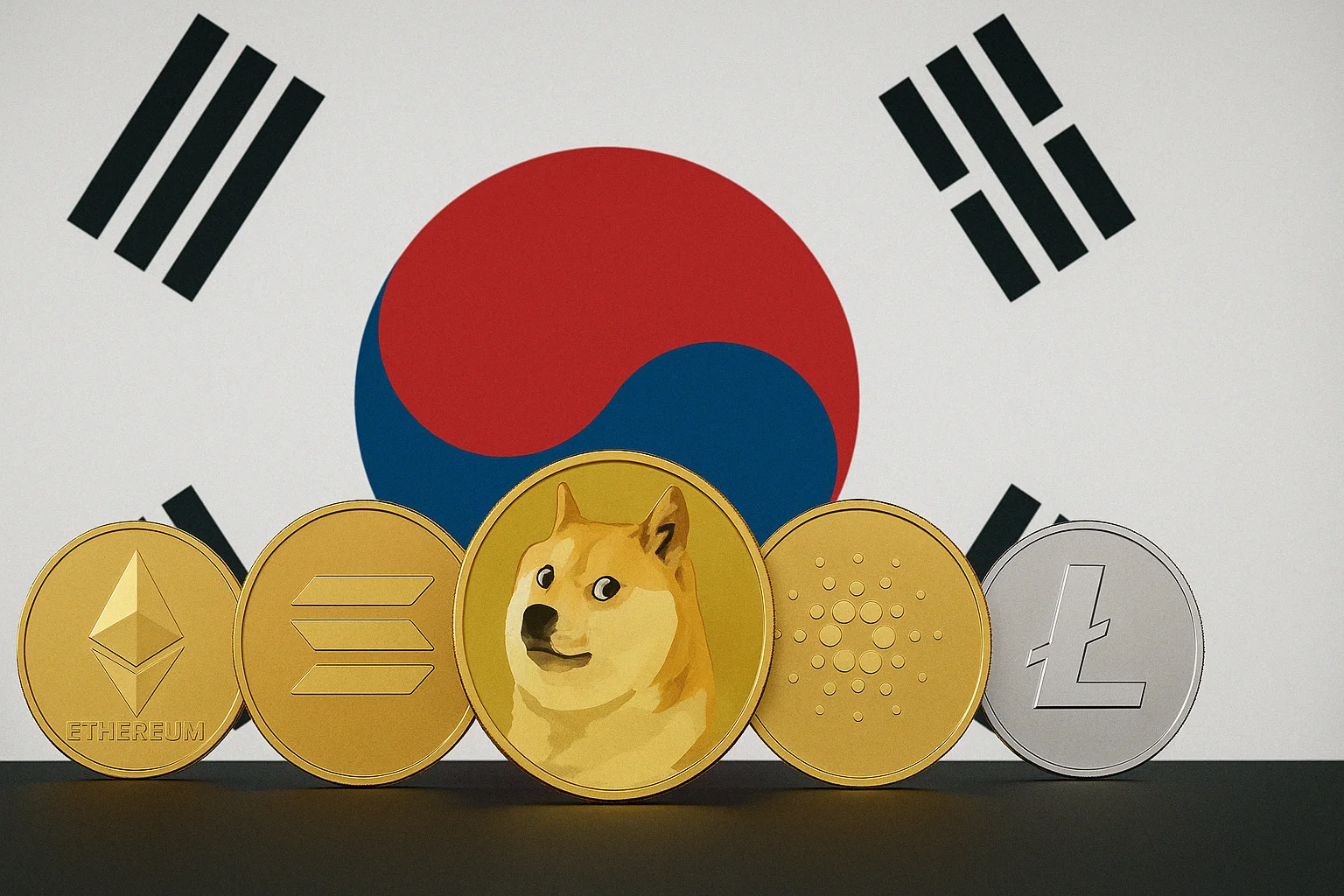
South Korea is about to reshape how millions of local crypto traders access global platforms, not through new legislation, but via mobile infrastructure.
A policy shift tied to Android app distribution will soon cut off a key gateway used by retail investors, signaling a new phase in the country’s long-running regulatory campaign against offshore exchanges.
Key Takeaways
South Korea will block unregistered overseas crypto apps from the Google Play Store starting Jan. 28
Only locally registered exchanges will be allowed to offer Android app downloads and updates
Major global platforms like Binance, Bybit, and OKX are affected by the restriction
Web access remains available, but further limits are possible as regulation tightens
From January 28, overseas cryptocurrency exchanges and software wallets that are not registered with South Korean authorities will effectively disappear from the country’s Google Play Store. The change stems from updated compliance rules that require crypto-related apps to meet local licensing standards in order to remain available for download or updates.
The requirement is rooted in registration with the Korea Financial Intelligence Unit, the body responsible for overseeing anti-money laundering compliance in the digital asset sector. Without FIU approval, foreign platforms will no longer be allowed to maintain or update their Android apps for users in South Korea.
Who stays, who gets locked out
Only a small number of platforms currently meet the criteria. Just 27 domestic exchanges have completed the FIU registration process, including market leaders Upbit and Bithumb. These firms will continue to operate normally on Google’s app marketplace.
By contrast, major international exchanges such as Binance, Bybit, and OKX remain unregistered in South Korea. As a result, their apps will no longer be available for new installations or updates via Google Play, even though they remain widely used by Korean traders.
For global platforms, compliance is widely seen as a near-impossible hurdle. Registration requires deep localization, including Korean security certifications, domestic AML frameworks, and operational oversight that many overseas firms view as disproportionate for a single market.
Trading continues – but with friction
Despite the mobile clampdown, access to overseas exchanges is not being fully severed. Users will still be able to trade through web browsers on both desktop and mobile devices. However, the removal of native apps is expected to degrade user experience over time, especially as outdated versions become incompatible with newer operating systems.
Regulators have not ruled out further action. Market participants are already speculating that similar restrictions could eventually target browser-based access or extend to Apple’s App Store, closing off another major distribution channel.
A pattern of tightening controls
This is not an isolated move. South Korea has steadily narrowed the operating space for foreign crypto firms in recent years. Authorities previously barred unregistered platforms from offering Korean-language services, advertising to local users, or supporting transactions denominated in Korean won.
Local media outlet News1 reported that the Play Store restriction could hit overseas exchanges hard, given their popularity among Korean retail traders seeking higher leverage, arbitrage opportunities, and exposure to tokens unavailable on domestic platforms.
According to local publication Digital Asset, crypto communities in South Korea are already sharing methods to bypass the app restriction, including VPN usage and manual APK installations. Security experts, however, warn that these workarounds significantly increase the risk of malware, phishing, and compromised applications.
Why it matters globally
South Korea remains one of the most influential retail-driven crypto markets in the world, with more than 10 million active users – roughly 20% of the population. By targeting app access rather than trading activity itself, regulators are applying pressure at the infrastructure level, a strategy that could serve as a model for other jurisdictions seeking tighter control without outright bans.
As mobile access becomes more restricted, global exchanges may soon be forced to decide whether South Korea is worth the regulatory cost of staying fully connected to one of crypto’s most active user bases.


